
Remuera’s Fine Food, Wine and Dining
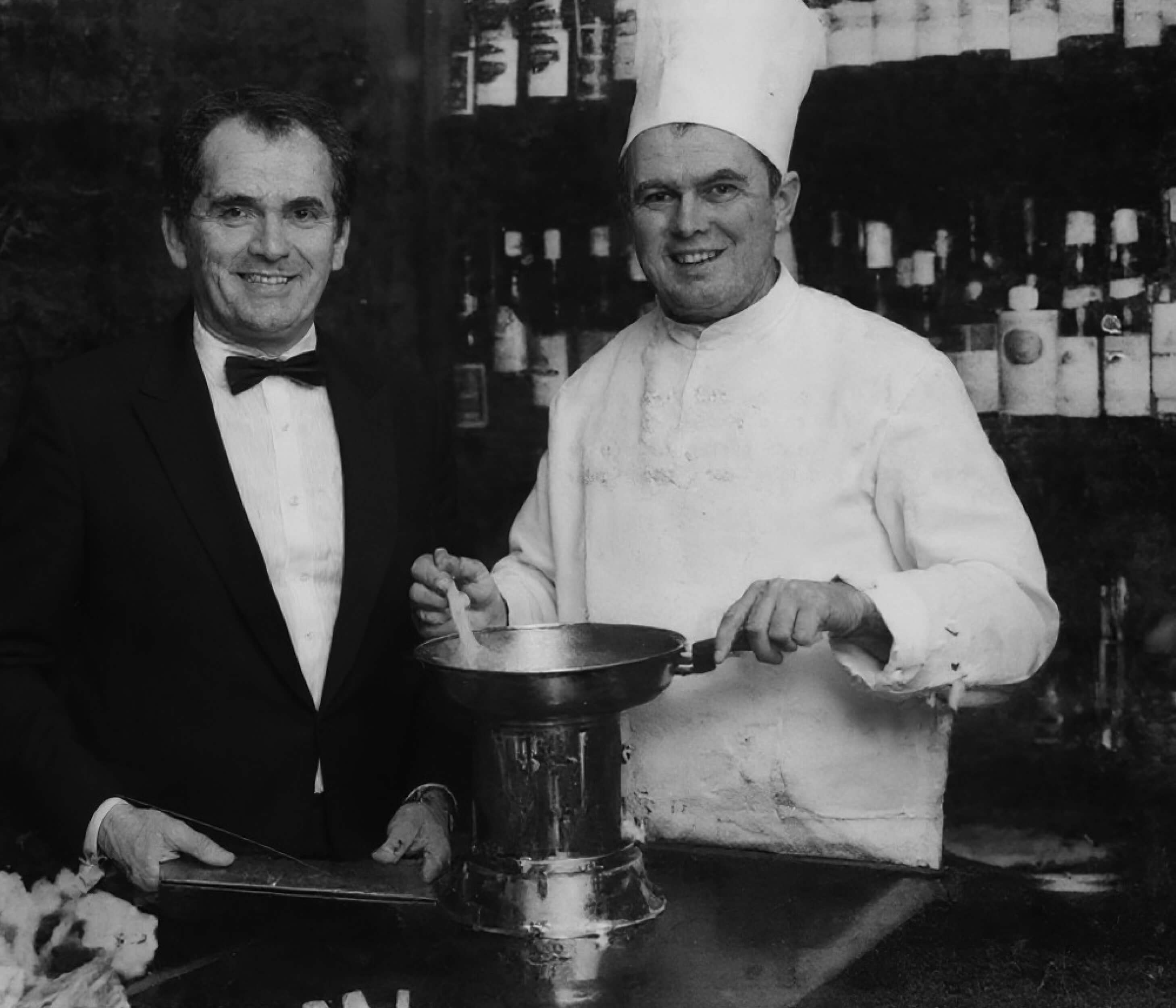

Bela Demeter and Gabor Csongor, Café de Budapest
Remuera’s Fine Food, Wine and Dining
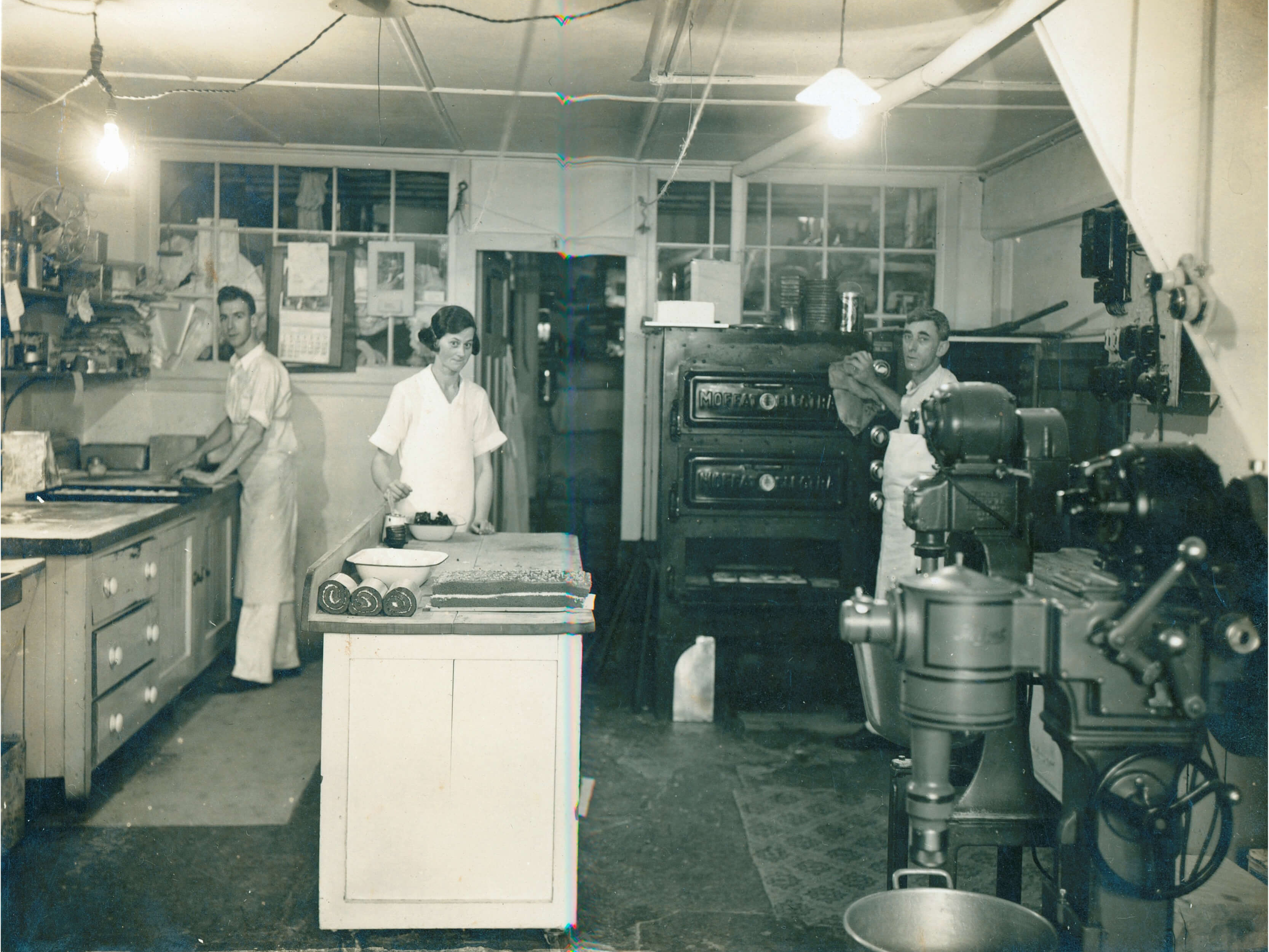
Puritan Cake Shop owned by the Holehouse family, 1927 to late 1960s
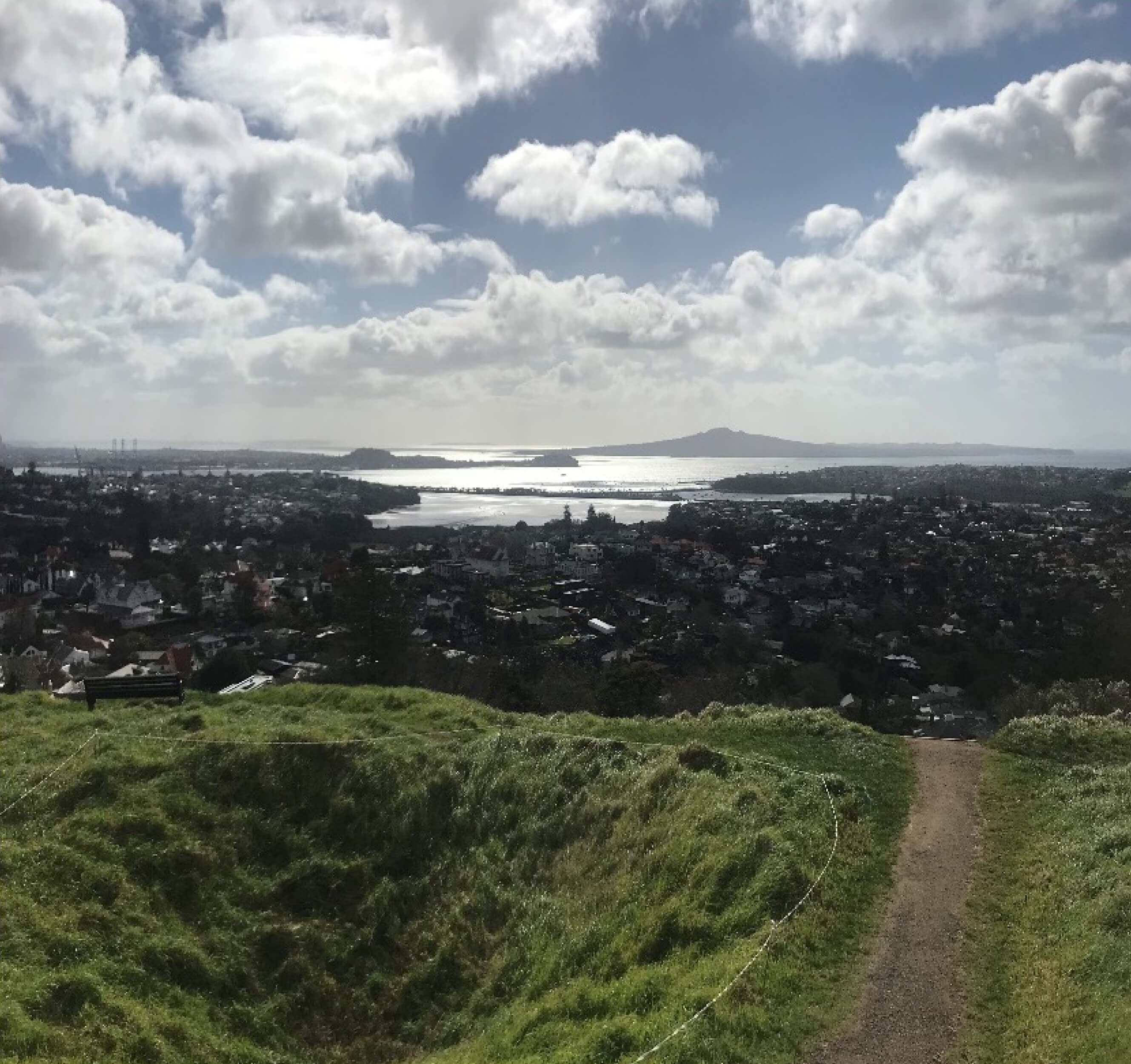
Ōhinerau Mt Hobson
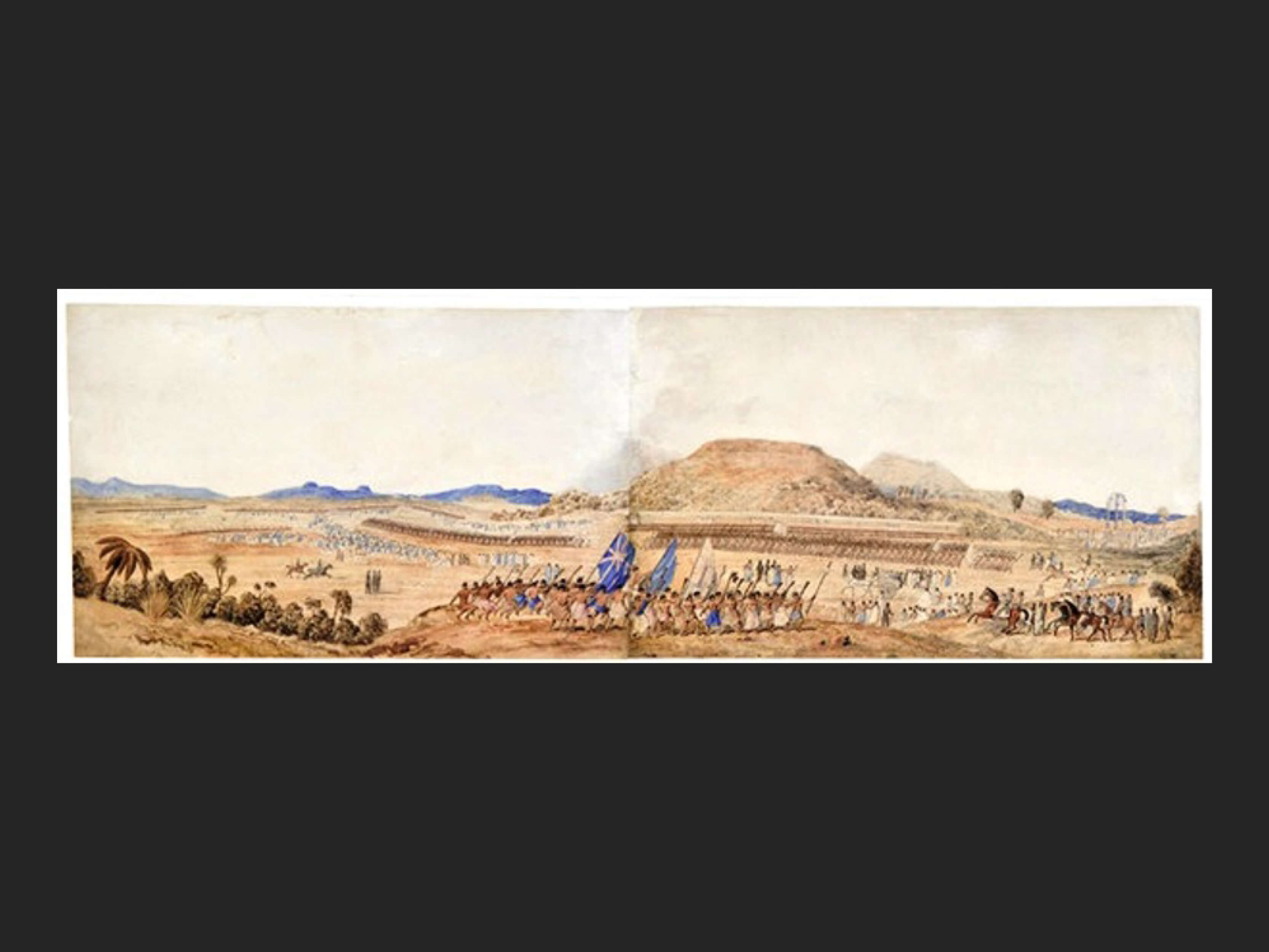

Native Feast held at Remuera, May 11 1844, by Joseph Jenner Merrett
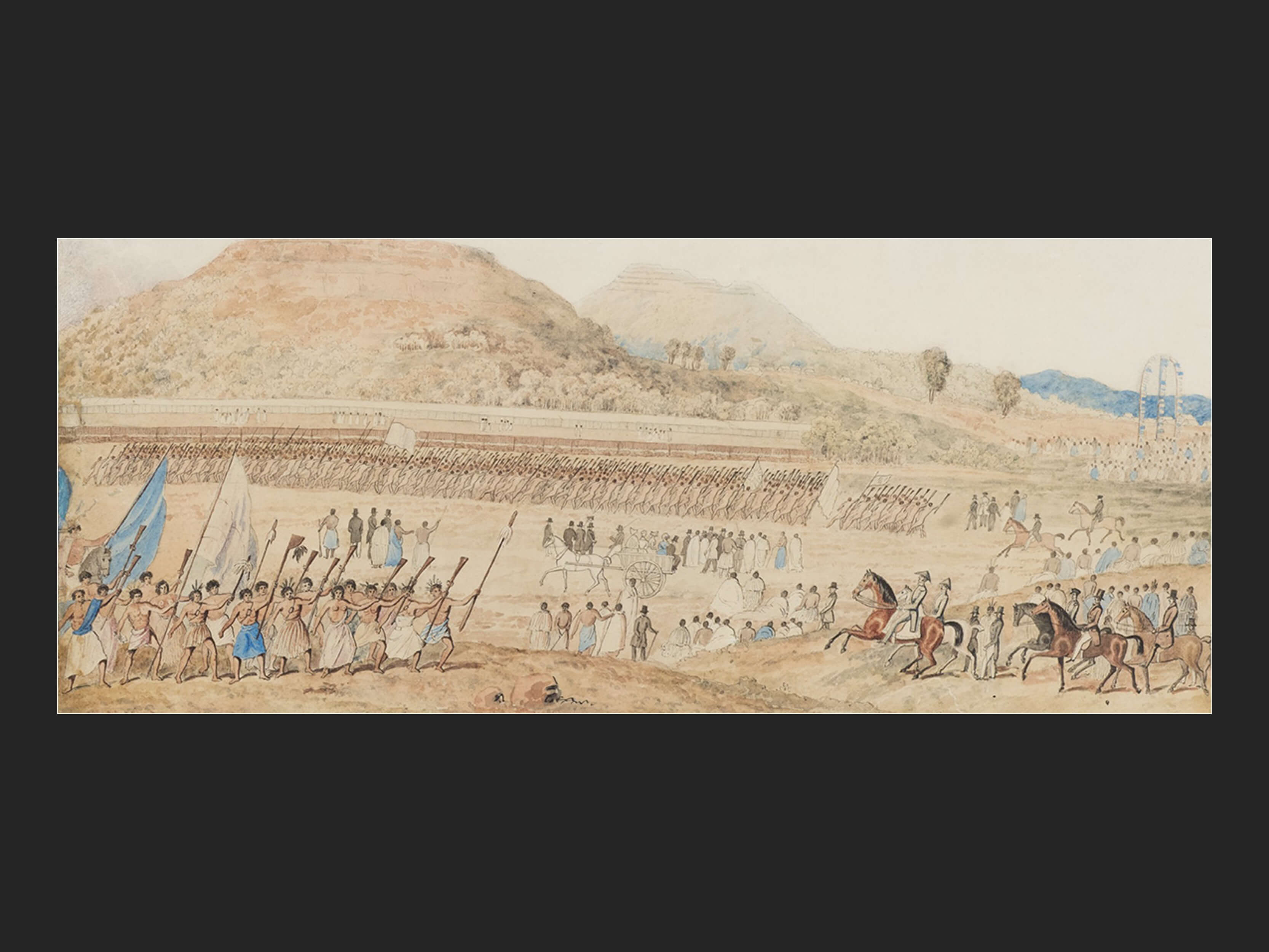
The feast or hakari included long racks of 9,000 dried dogfish sharks & pigs, a wall of 11,000 flax baskets of kumara & potatoes, plus tea, rice, tobacco, flour & sugar.
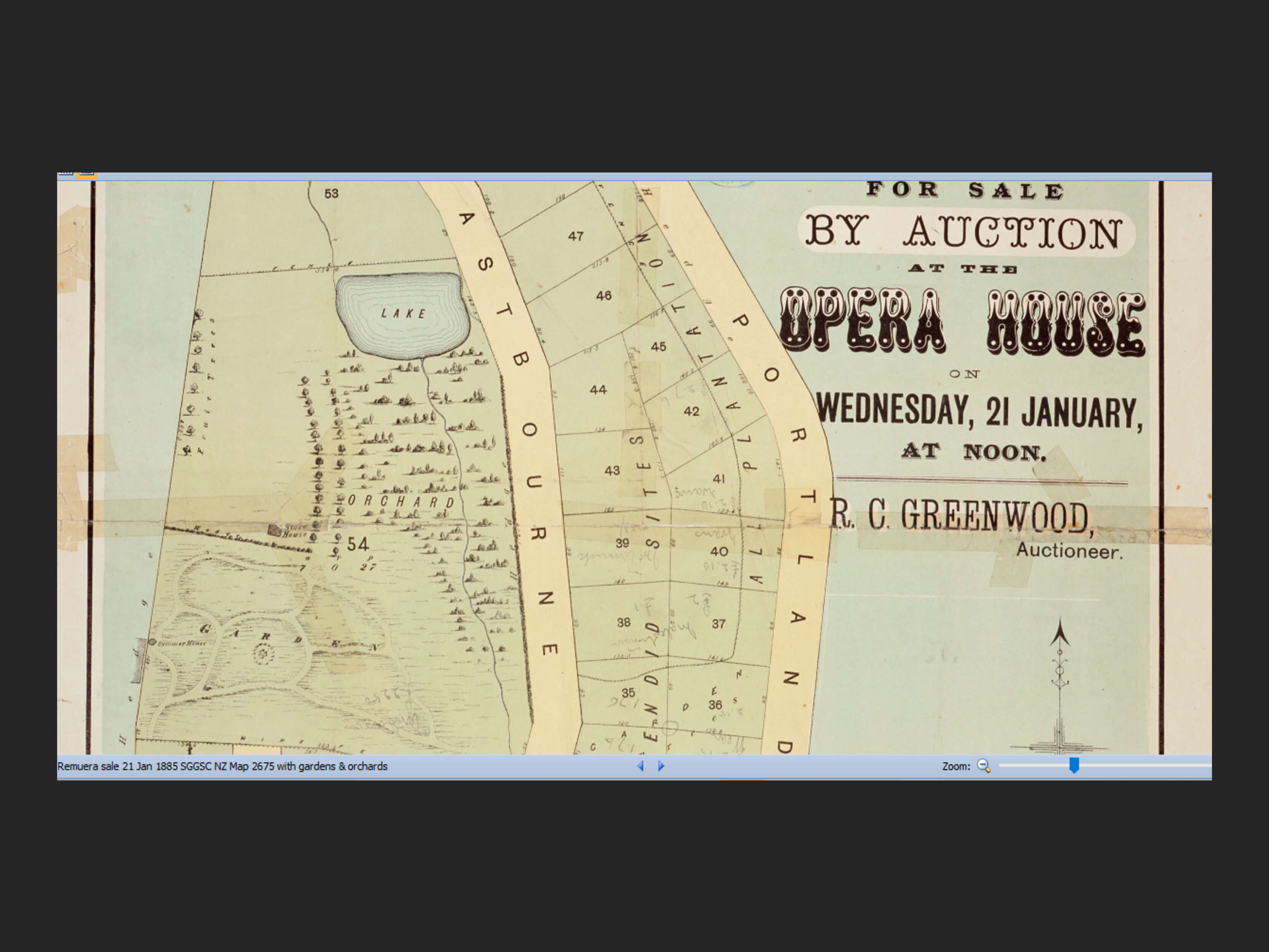
Orchards and gardens on Eastbourne Road 1885
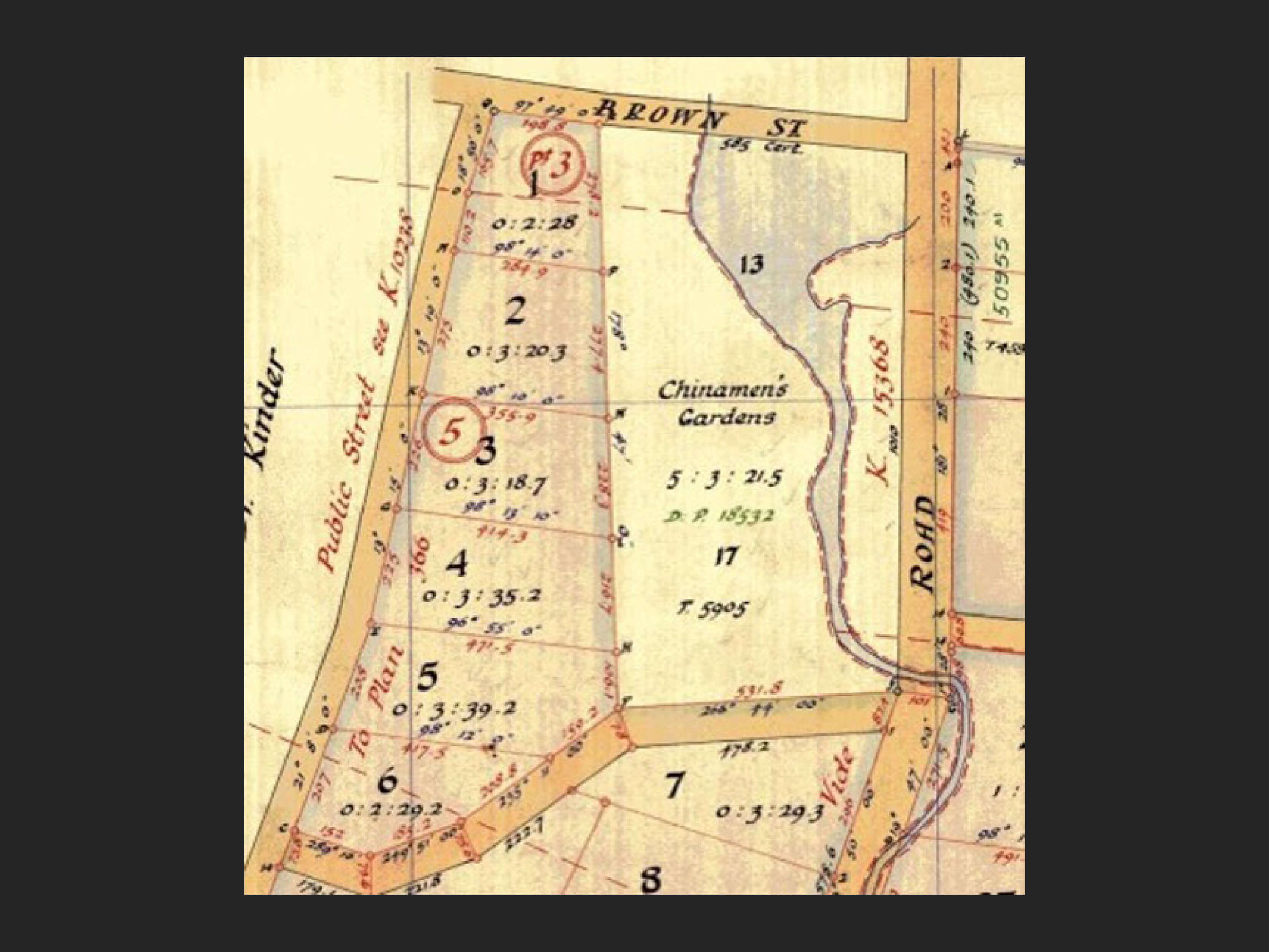
Chinamen’s Garden corner Scherff, Wharua & Portland Rds 1885
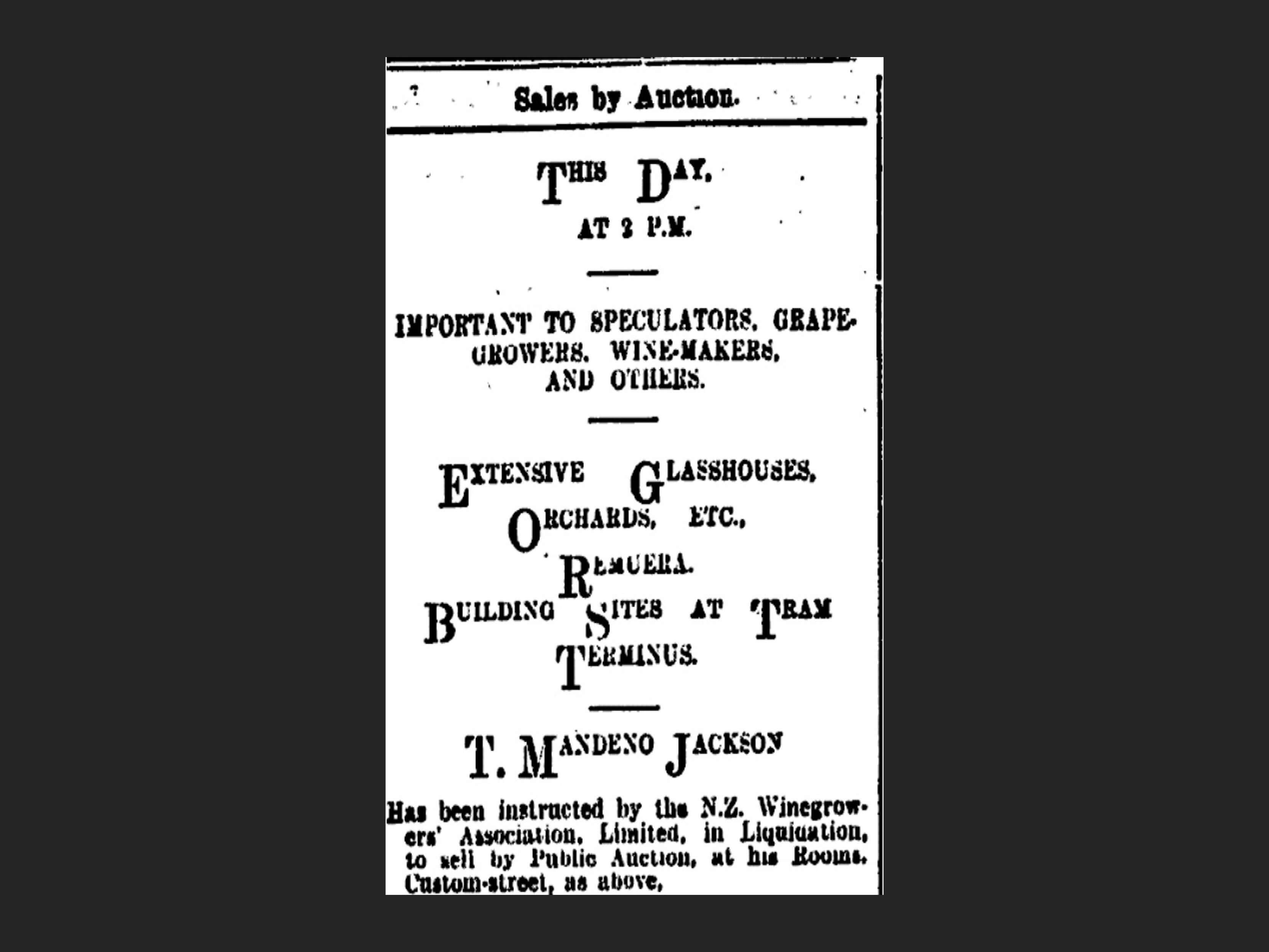
Sale of Gardenhyrst, Barry’s Hill, Remuera Rd, with vines, orchards, glasshouses NZ Herald 1906
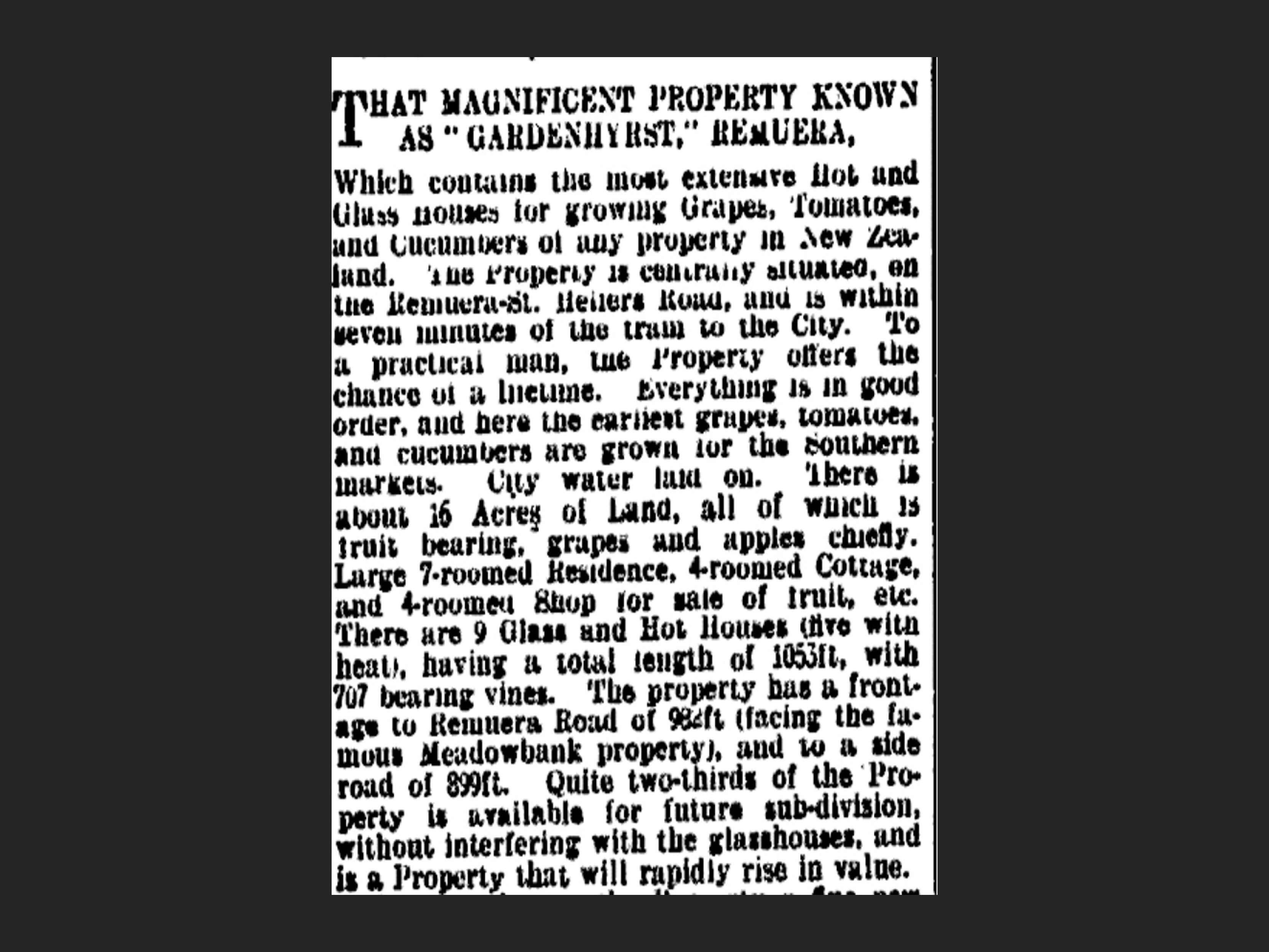
Sale of Gardenhyrst, Barry’s Hill, Remuera Rd, with vines, orchards, glasshouses NZ Herald 1906
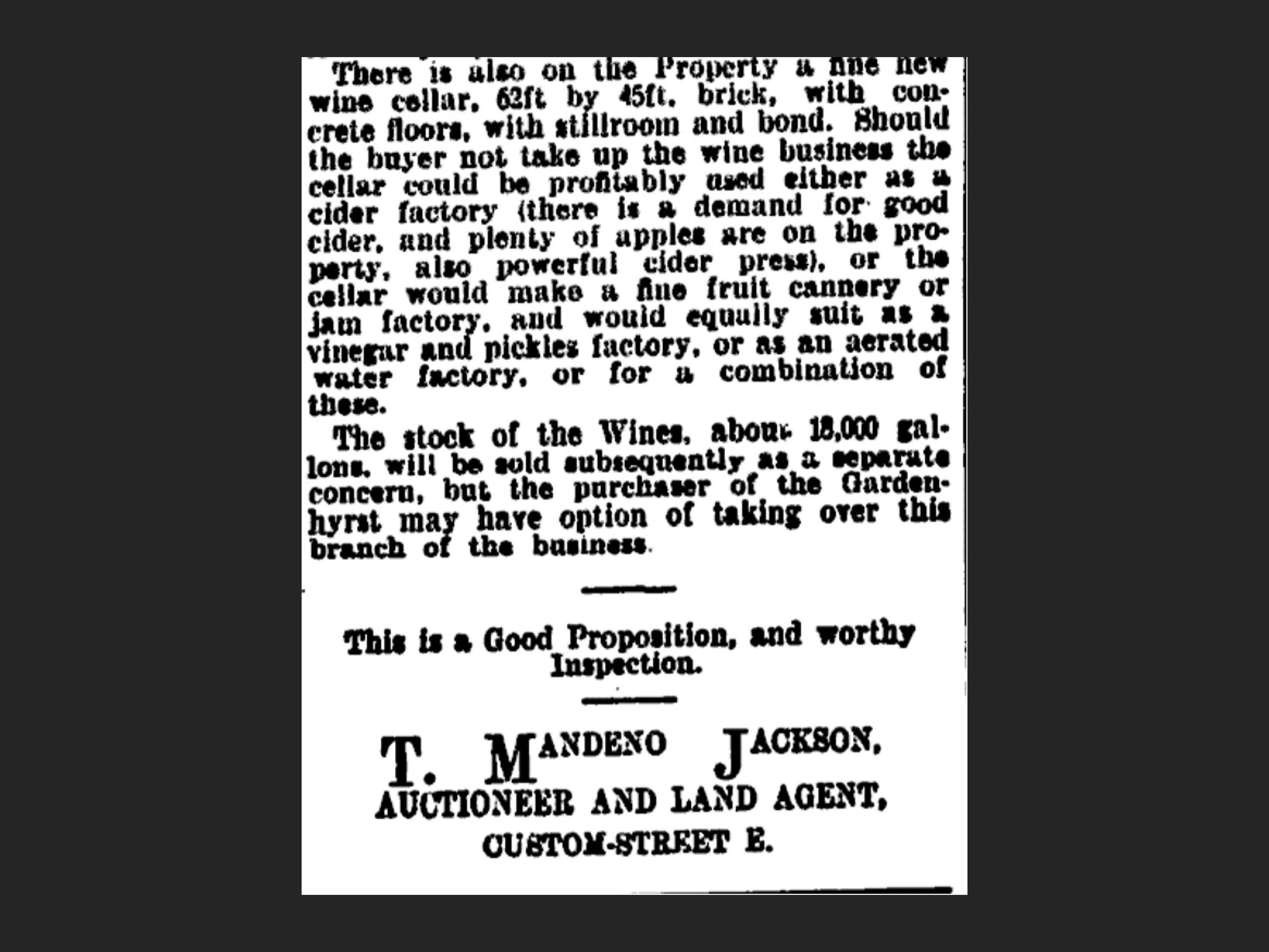
Sale of Gardenhyrst, Barry’s Hill, Remuera Rd, with vines, orchards, glasshouses NZ Herald 1906
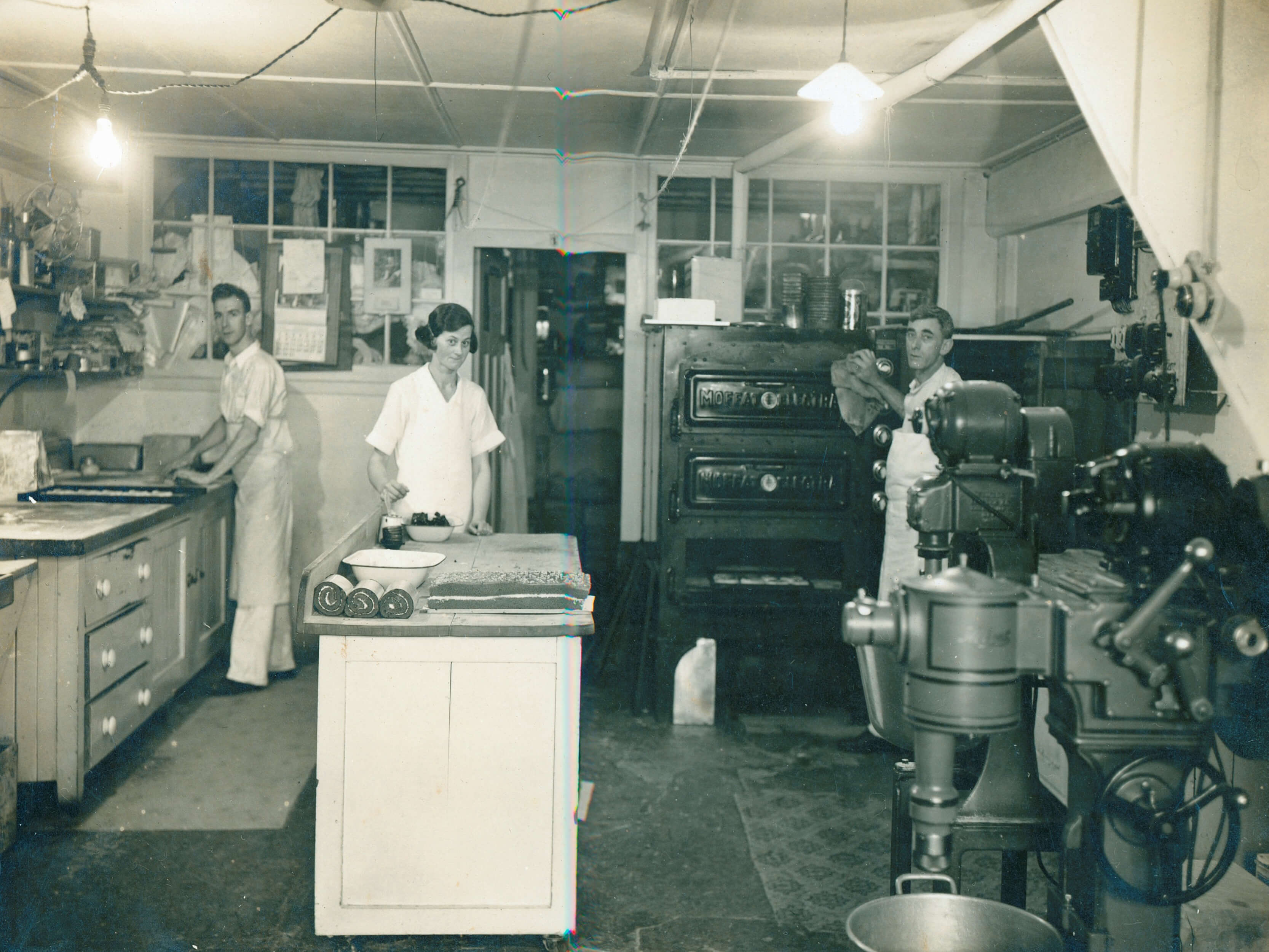
Puritan Cake Shop owned by the Holehouse family, 1927 to late 1960s at 363 Remuera Rd Now Jems.
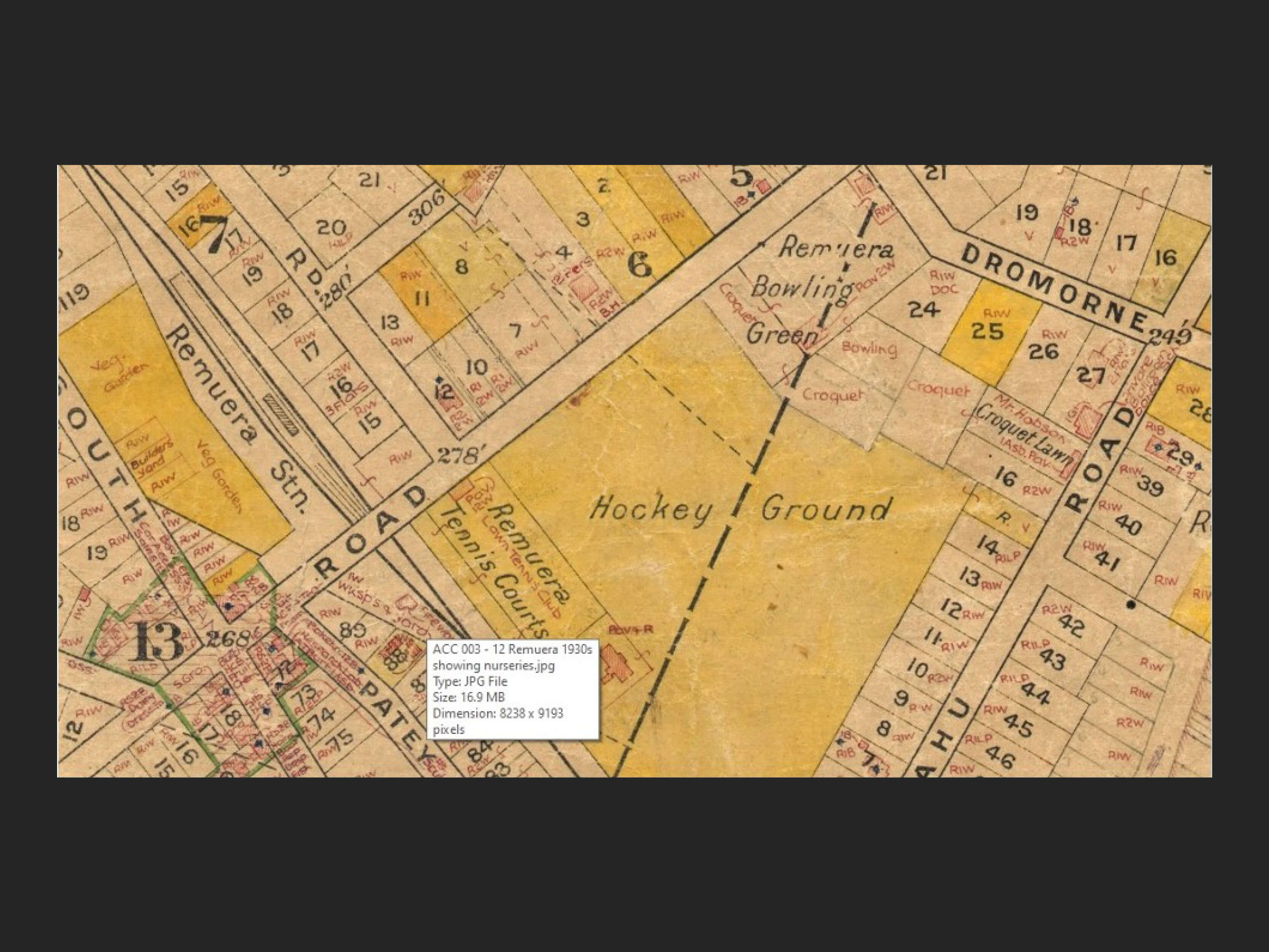
Remuera Railway Station vegetable gardens & sports fields 1931
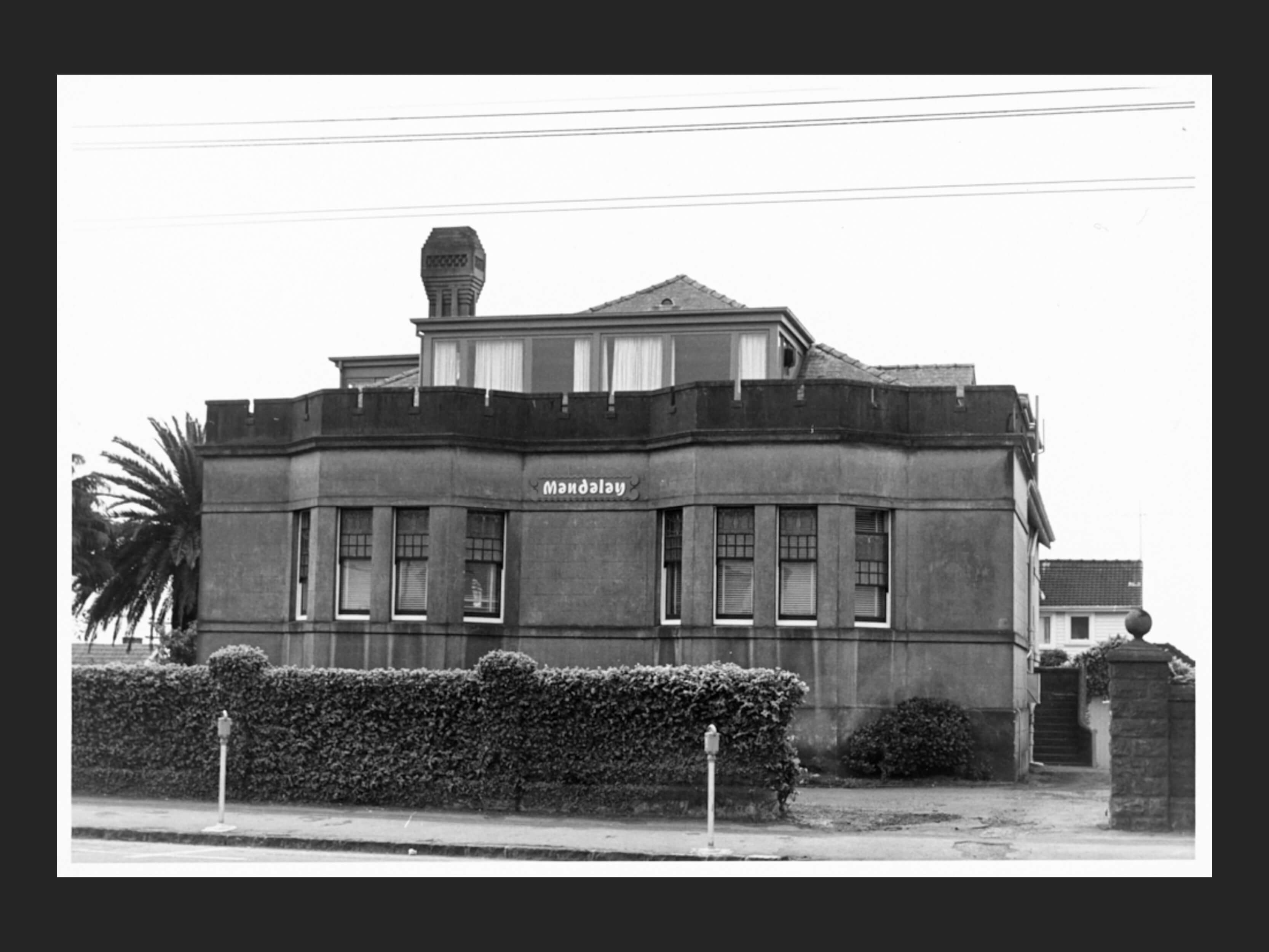
The Mandalay Reception Rooms, 320 Remuera Road 1963
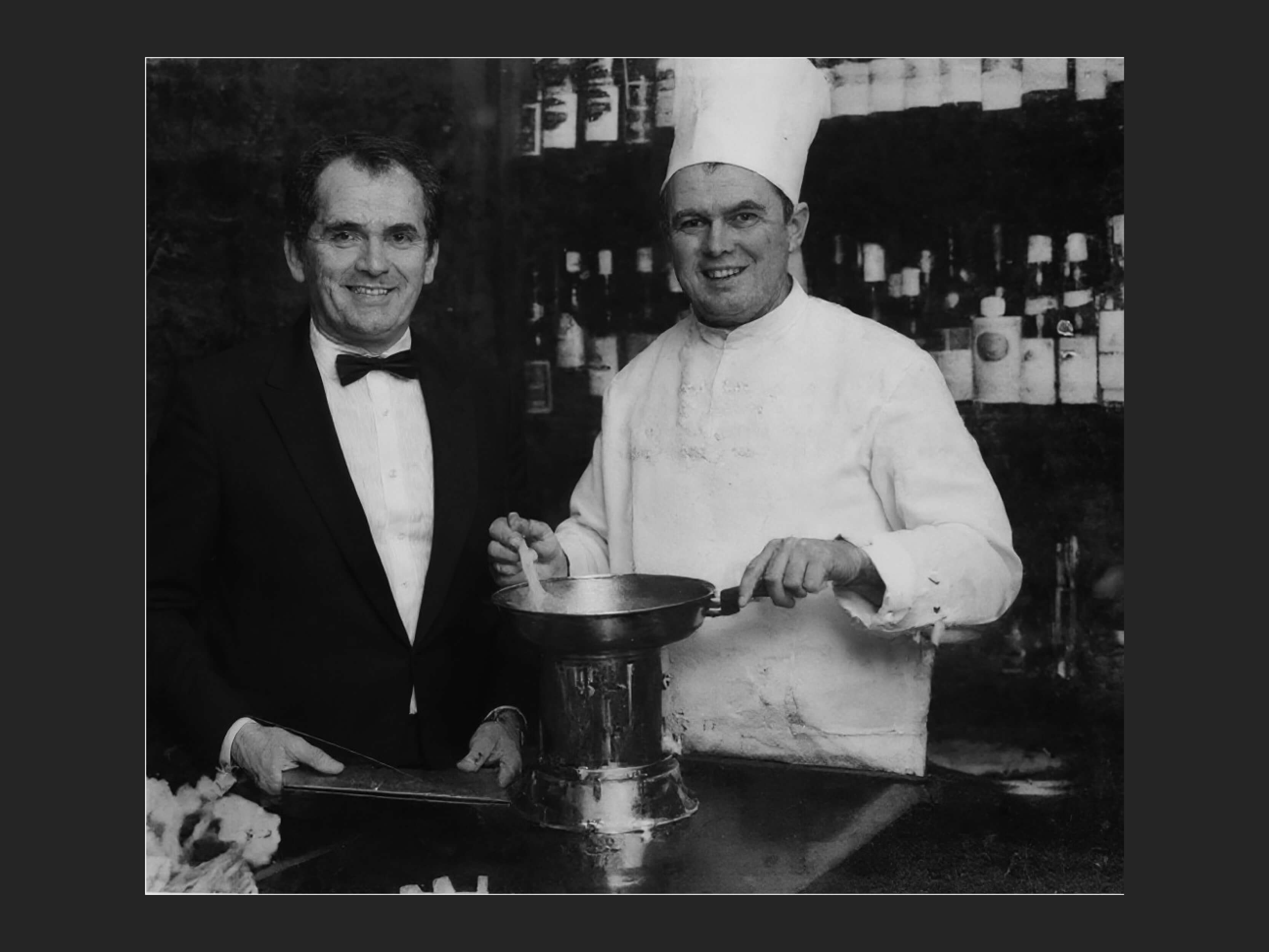
Bela Demeter and Gabor Csongor, Café de Budapest
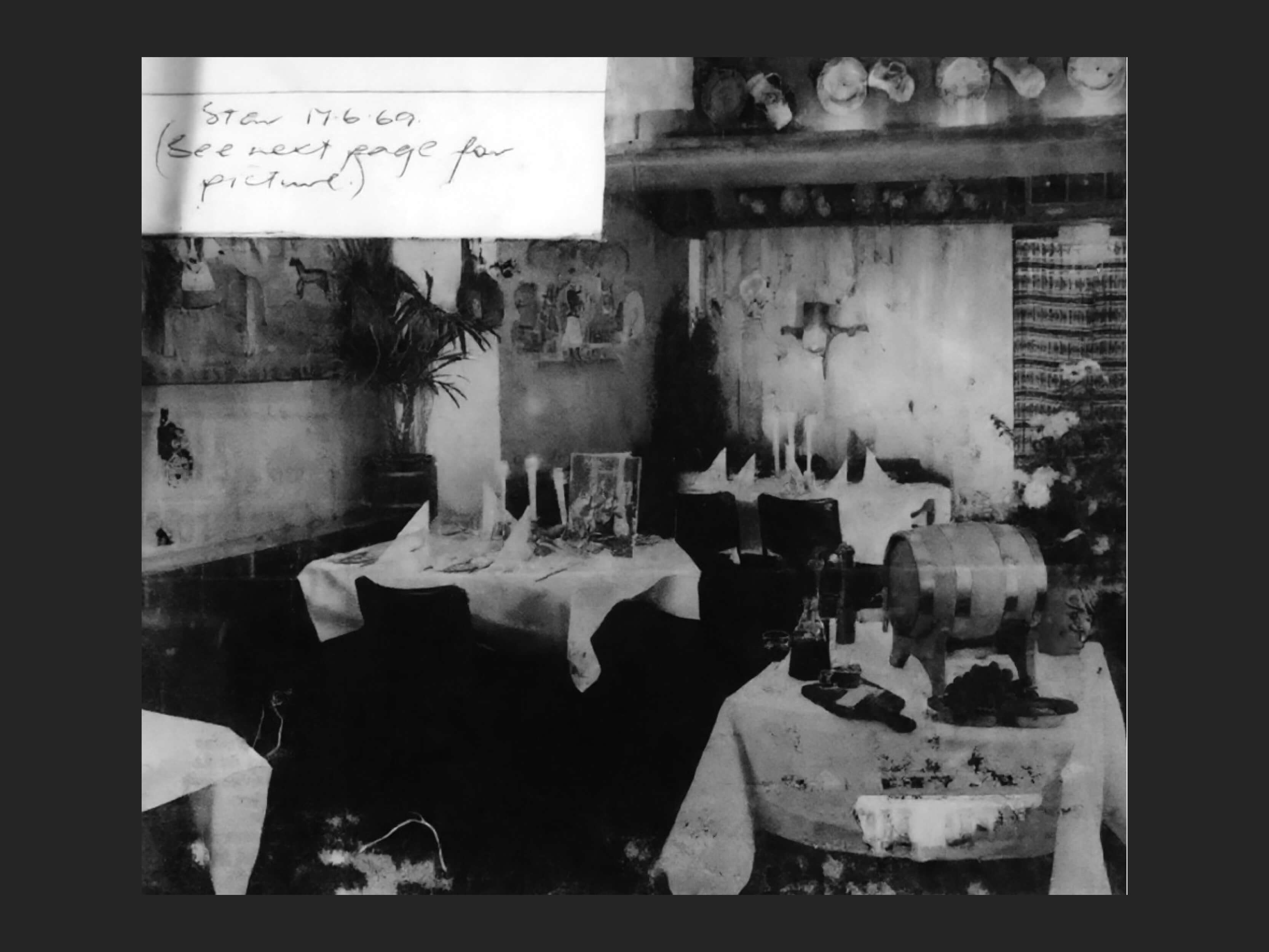
Hungarian folk art and a barrel of wine
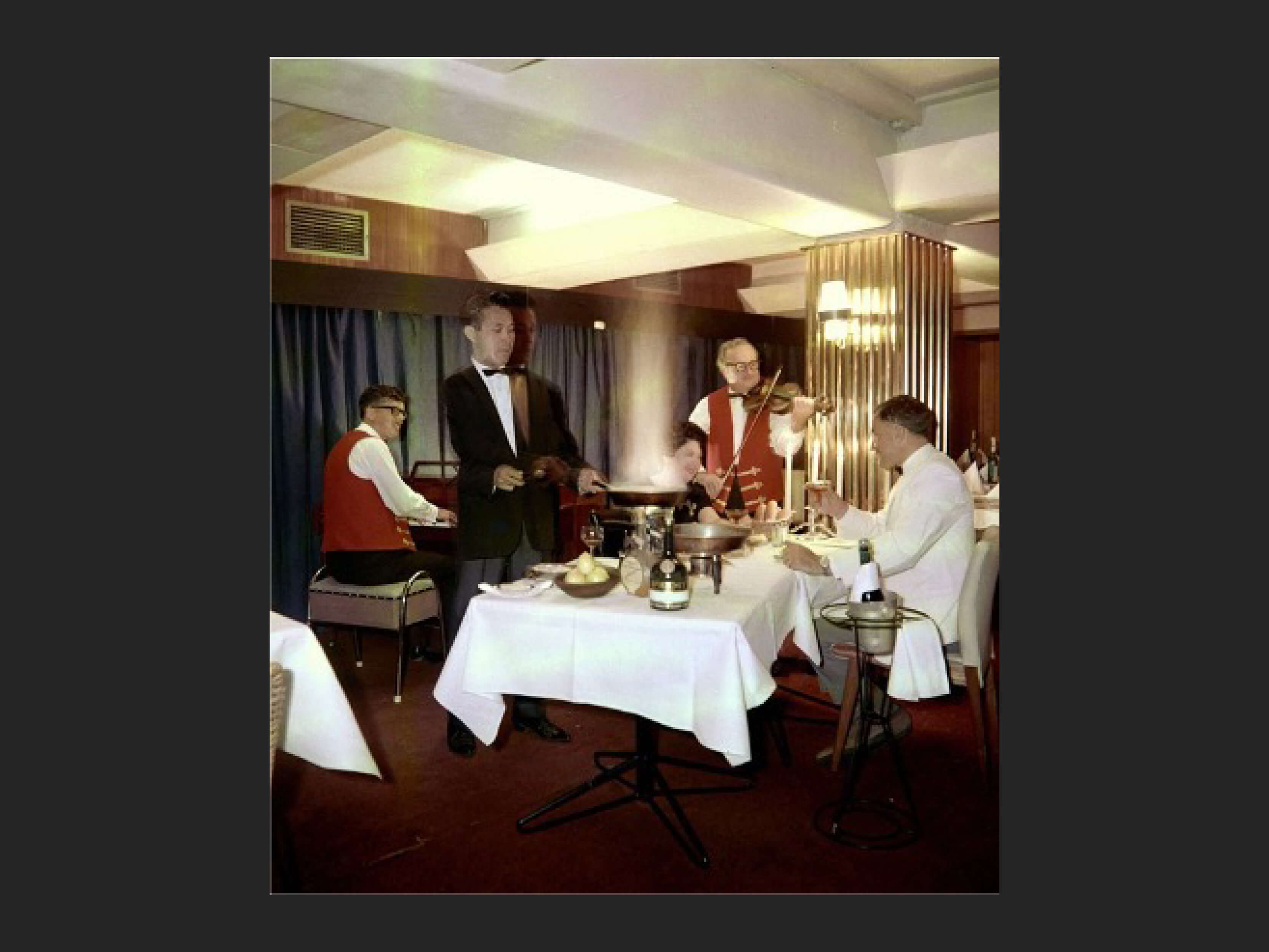
The Paul Lestre Group with Lestre left performing at Cafe du Budapest 1967
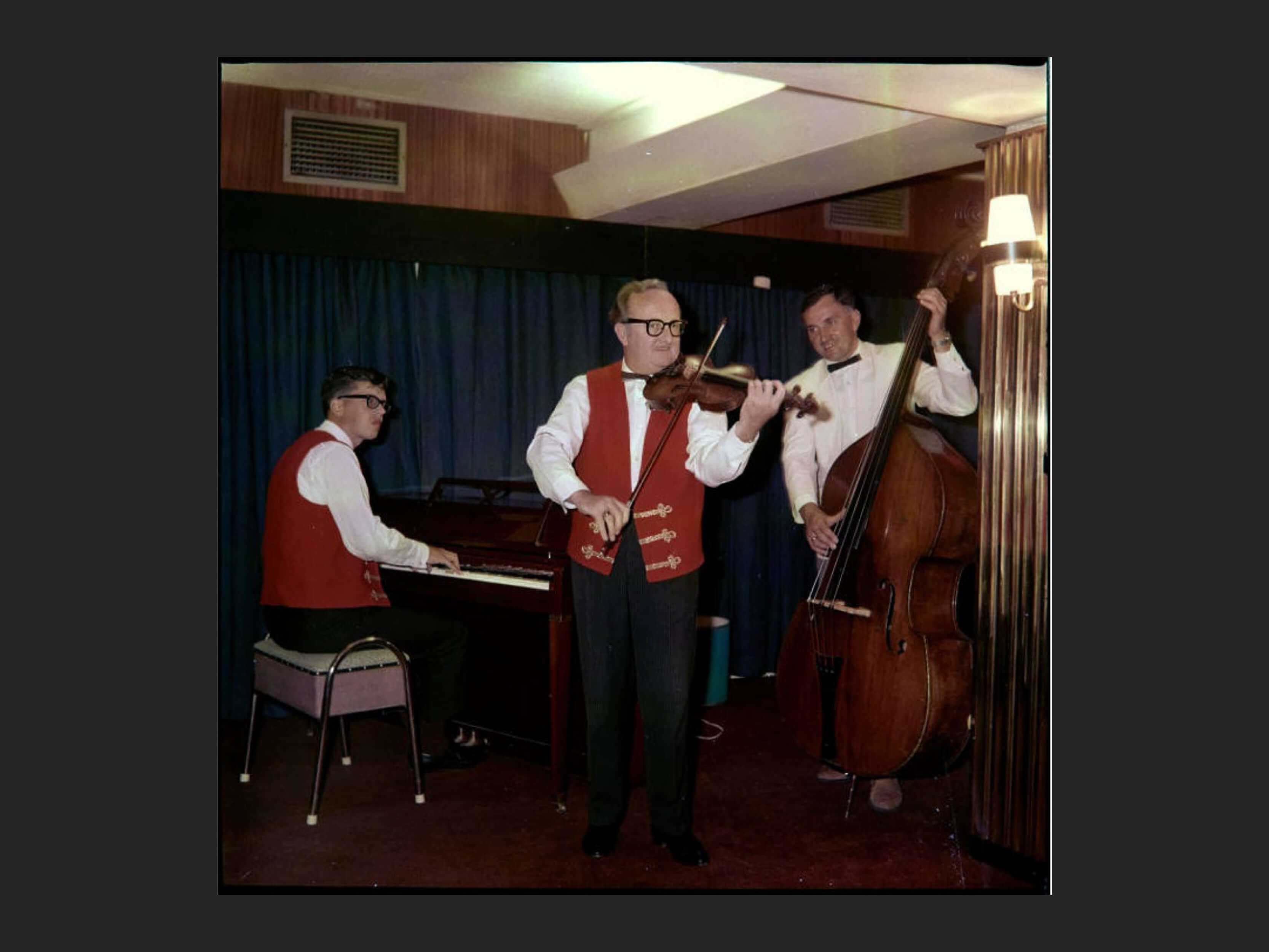
The Paul Lestre Group with Lestre left performing at Cafe du Budapest 1967
The Paul Lestre Group with Lestre left performing at Cafe du Budapest 1967
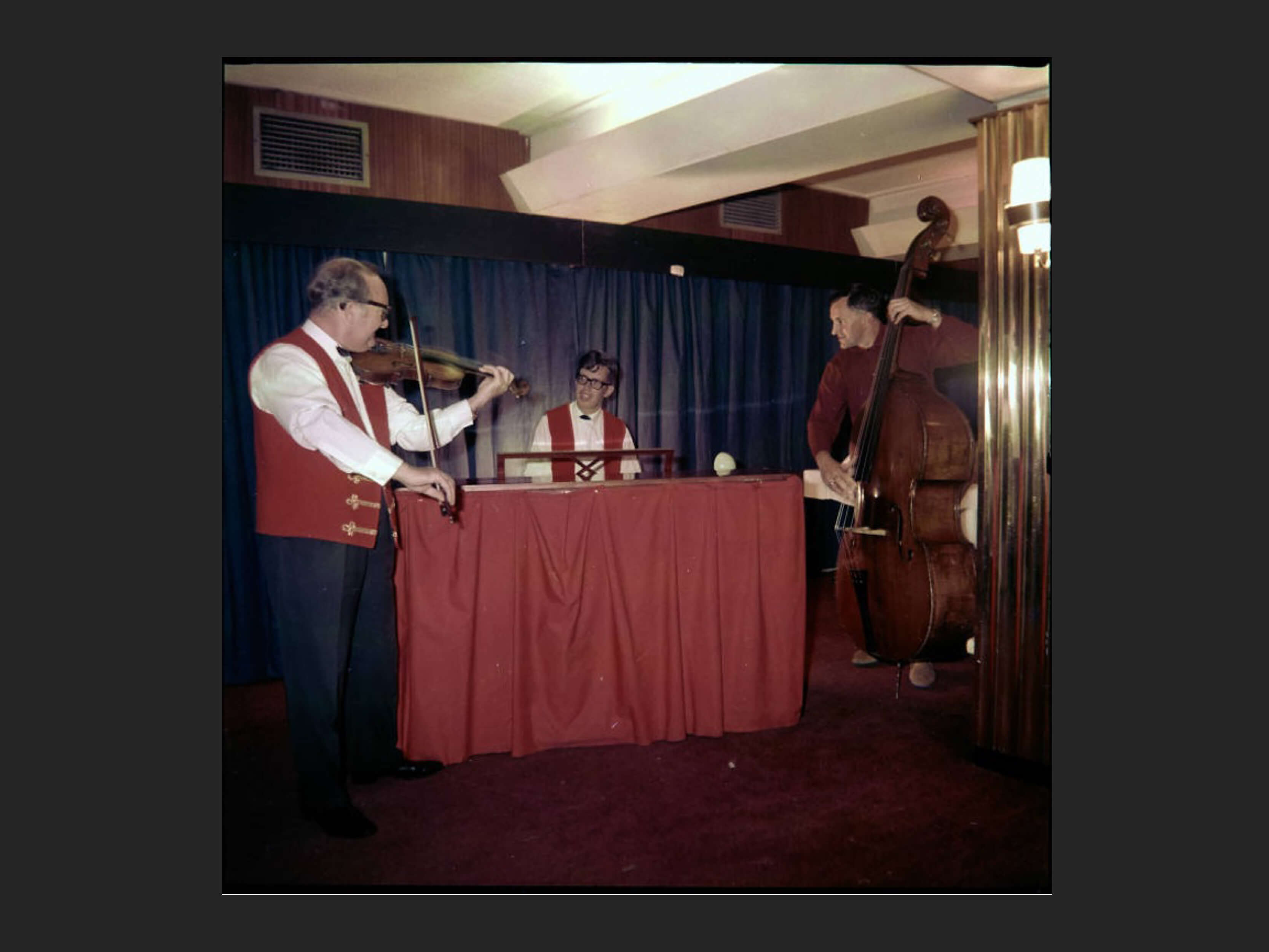
The Paul Lestre Group with Lestre left performing at Cafe du Budapest 1967
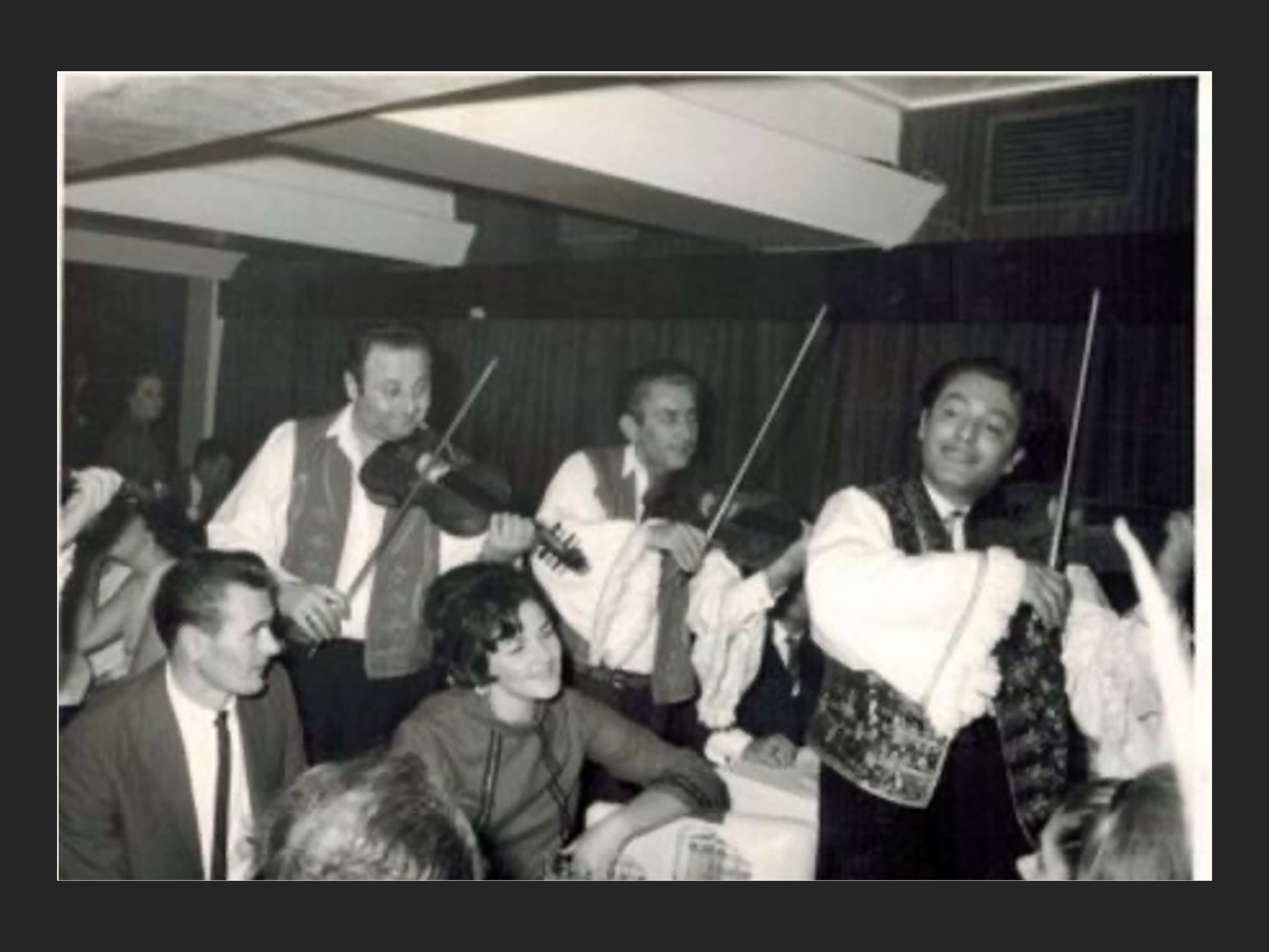
The Gypsy Orchestra at Café de Budapest 1960s
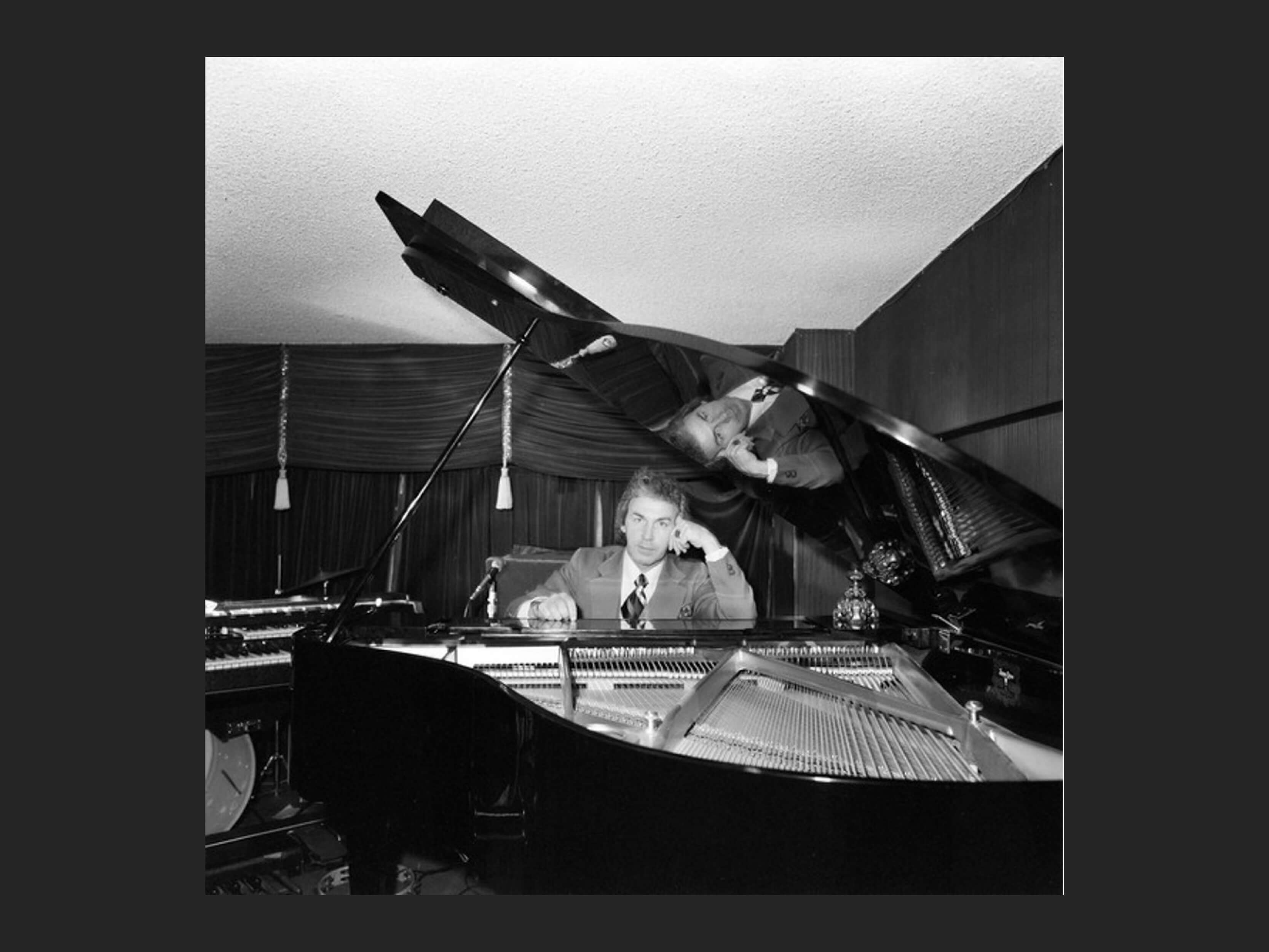
Billy Farnell very well-known pianist in Auckland
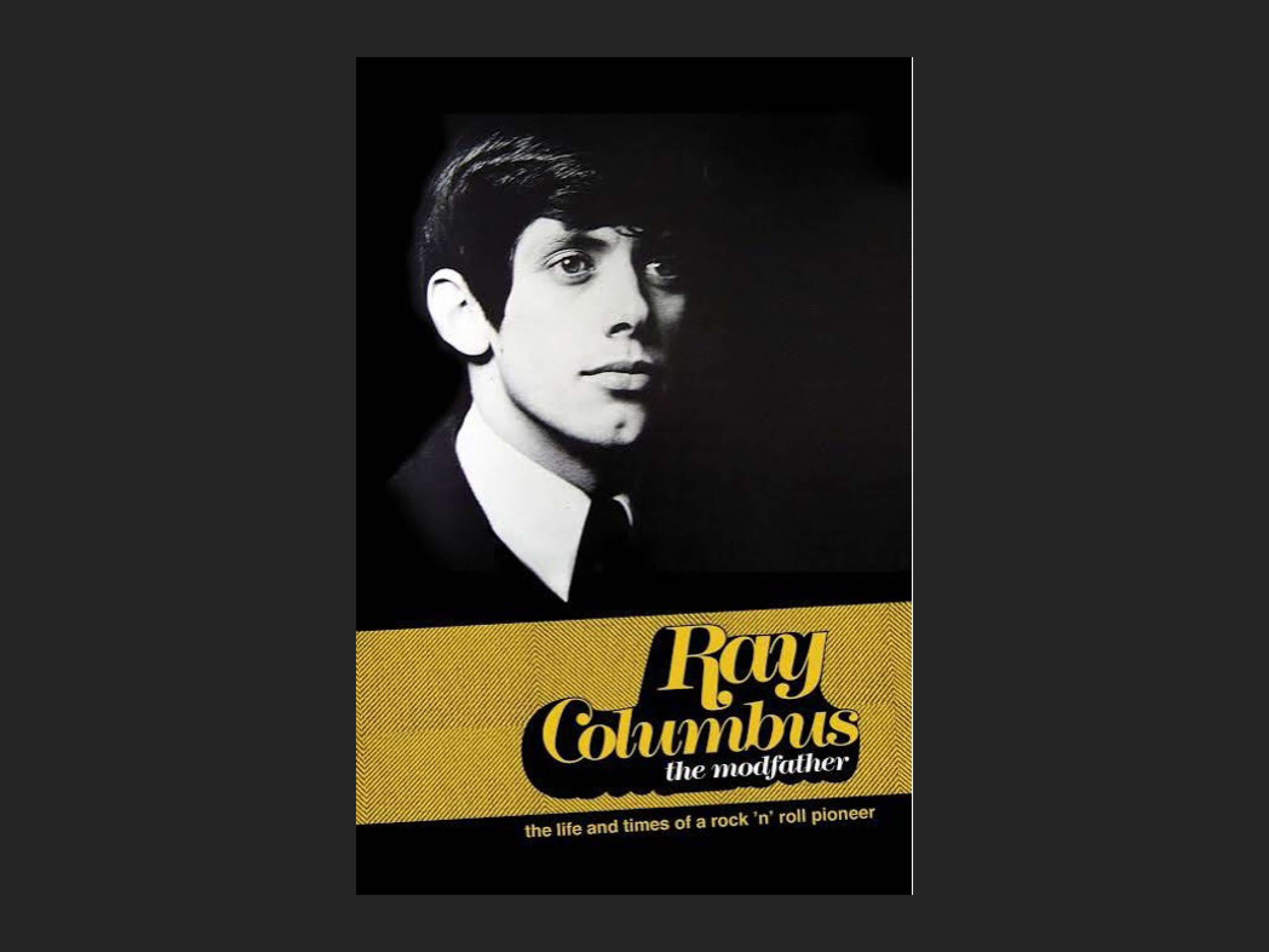
Ray Columbus & the Invaders
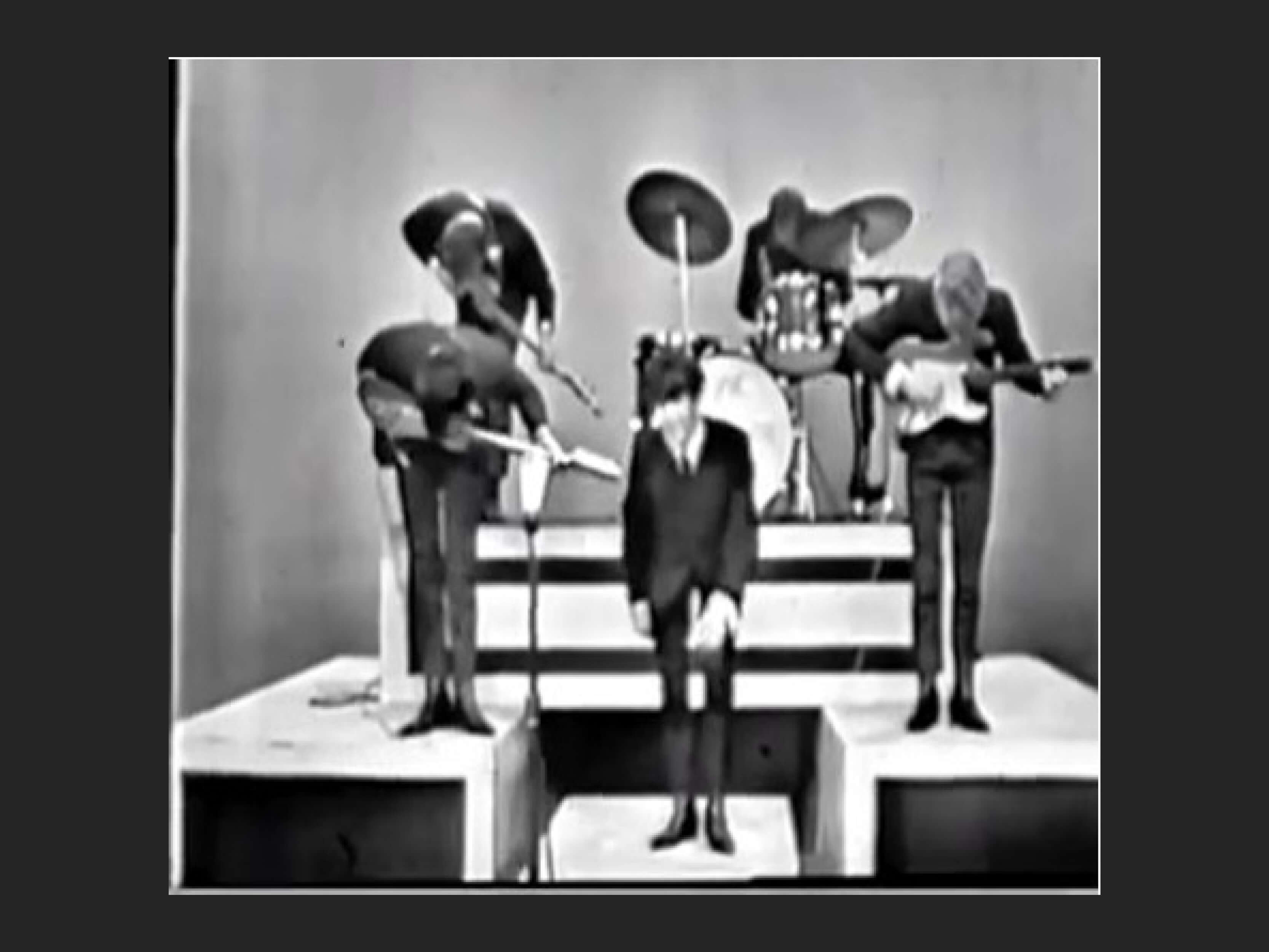
Ray Columbus & the Invaders
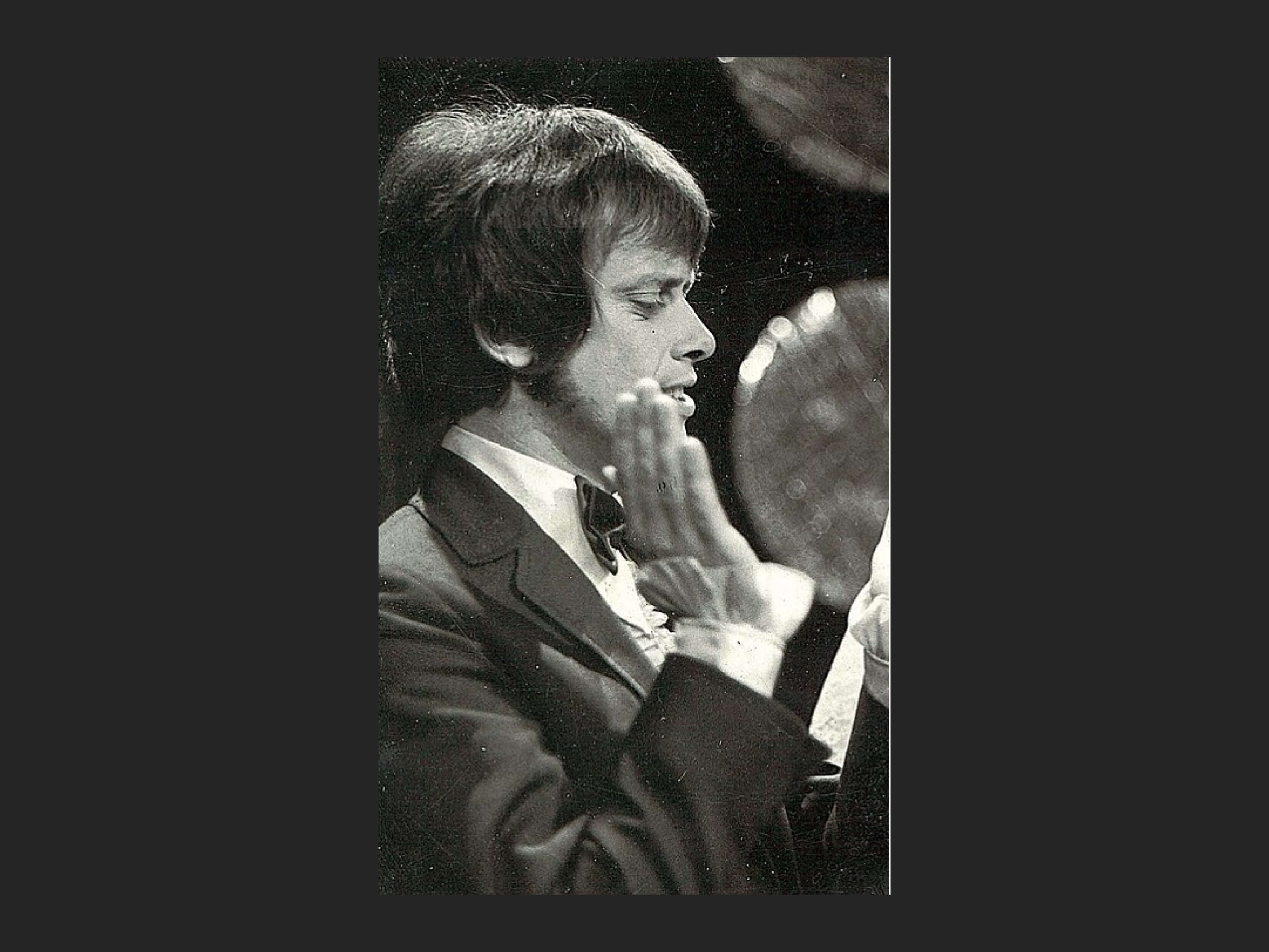
Ray Columbus & the Invaders
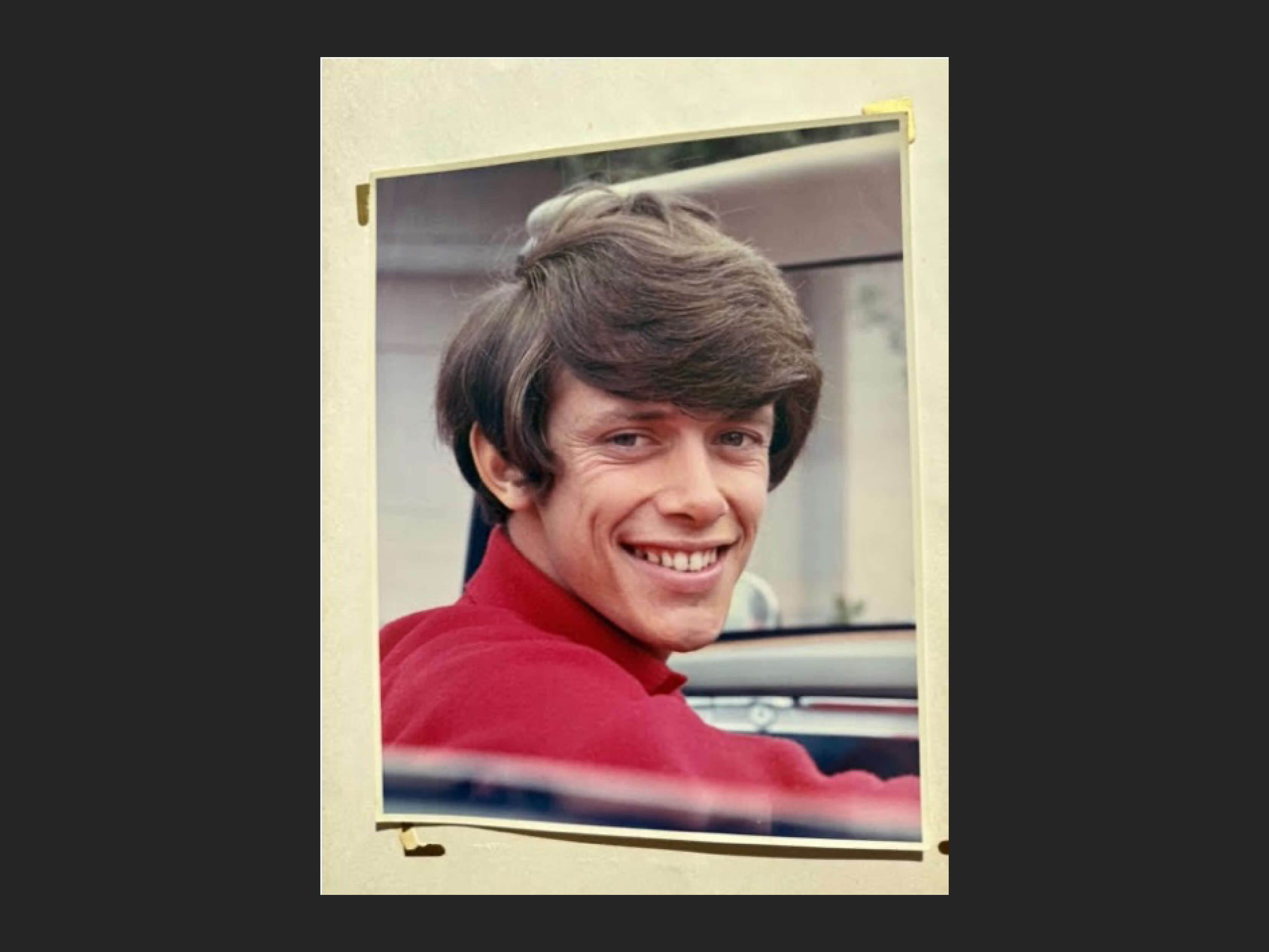
A Swingin’ Safari 1966 TV show filmed in Remuera with Ray Columbus and Dinah Lee, The Chicks, The Convairs, Gray Bartlett
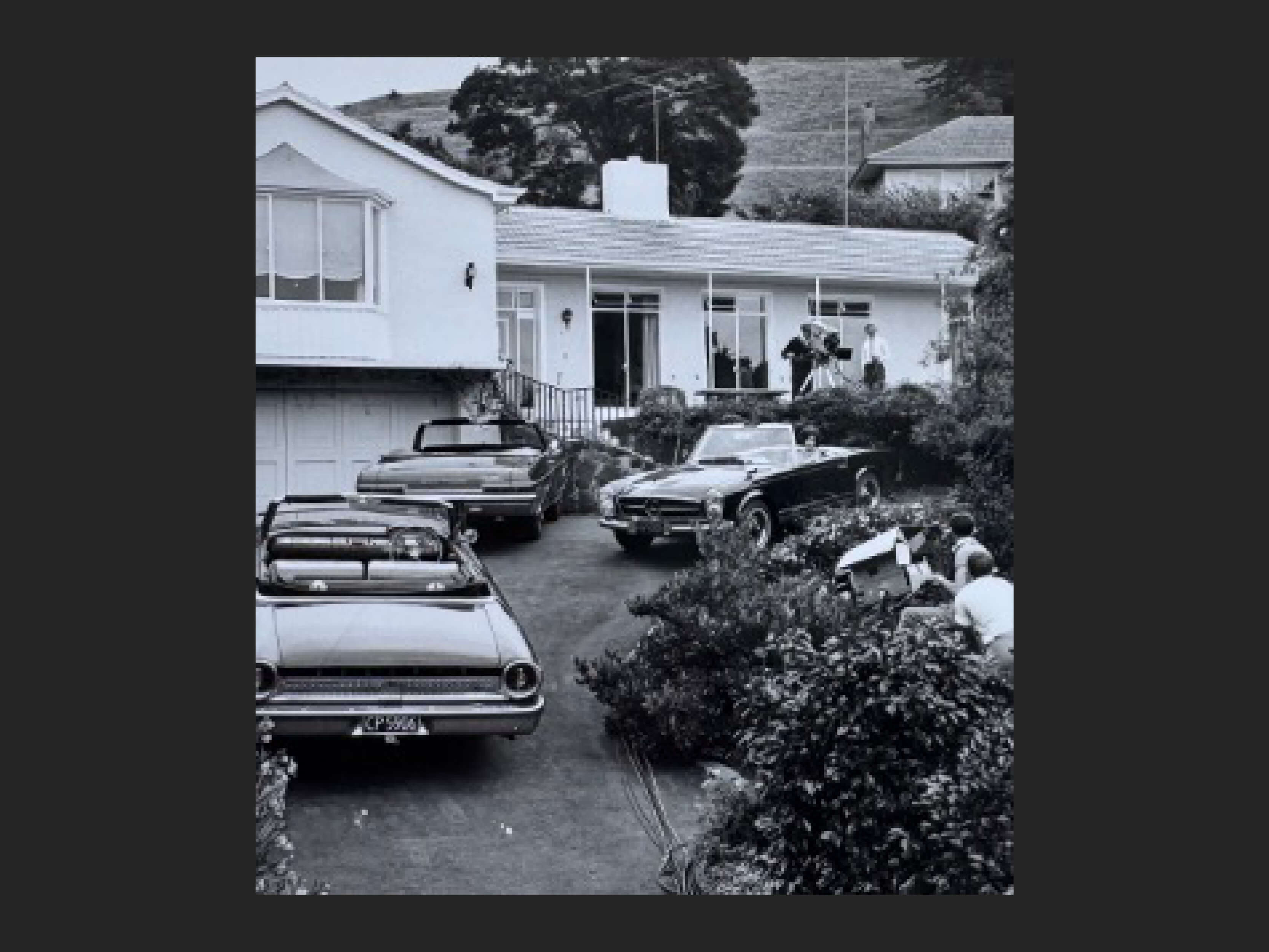
A Swingin’ Safari 1966 TV show filmed in Remuera with Ray Columbus and Dinah Lee, The Chicks, The Convairs, Gray Bartlett
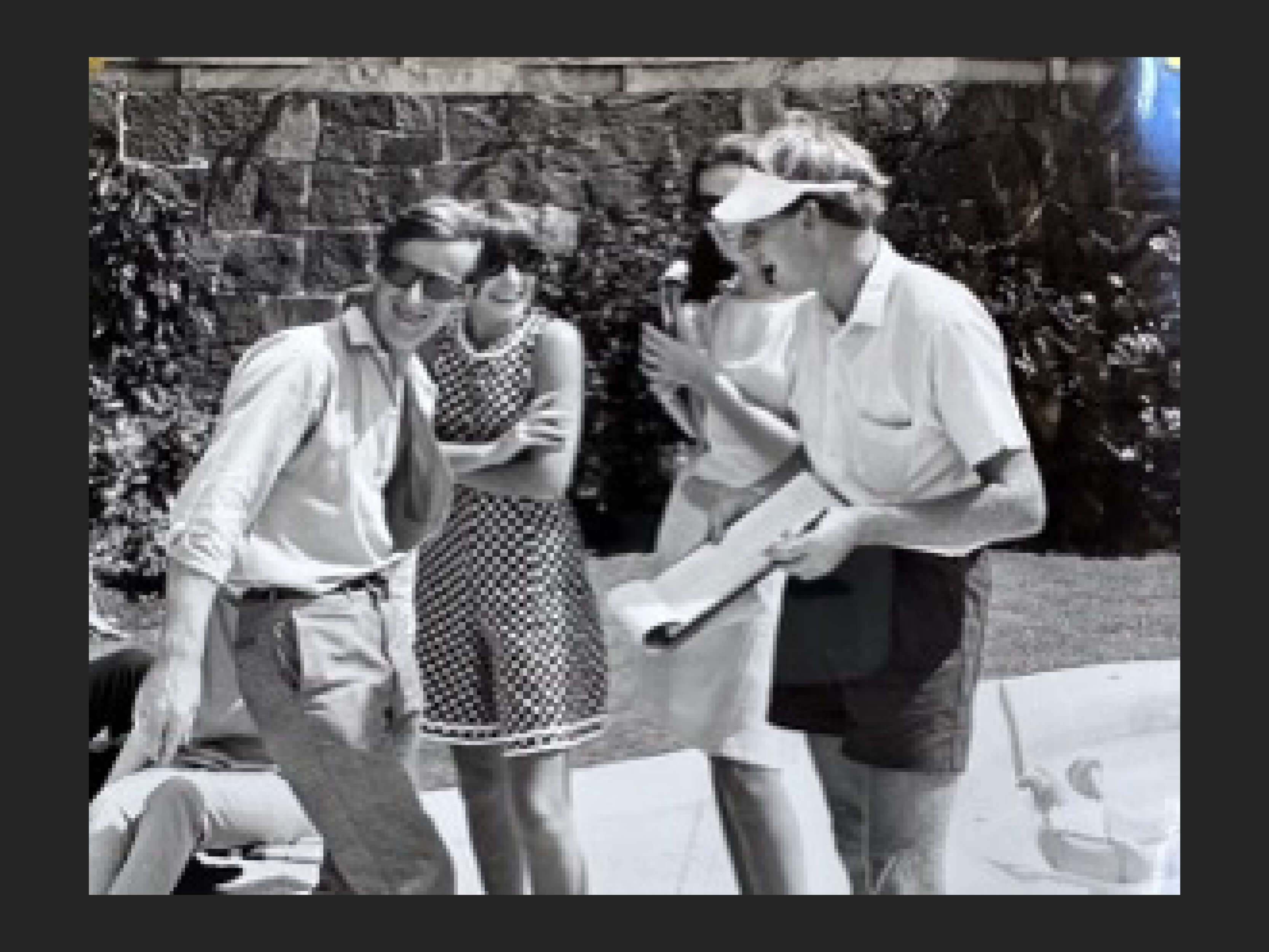
A Swingin’ Safari 1966 TV show filmed in Remuera with Ray Columbus and Dinah Lee, The Chicks, The Convairs, Gray Bartlett
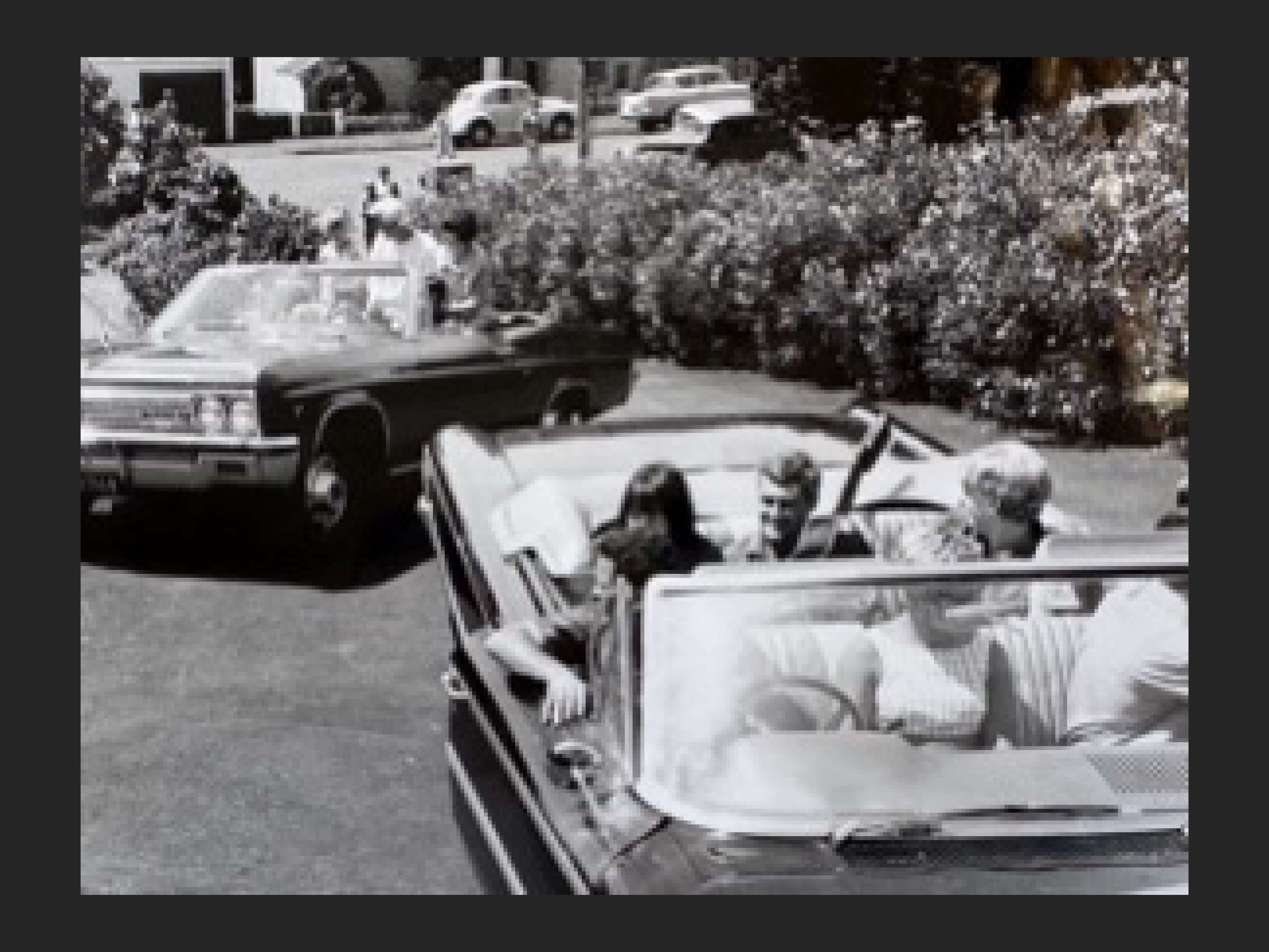
A Swingin’ Safari 1966
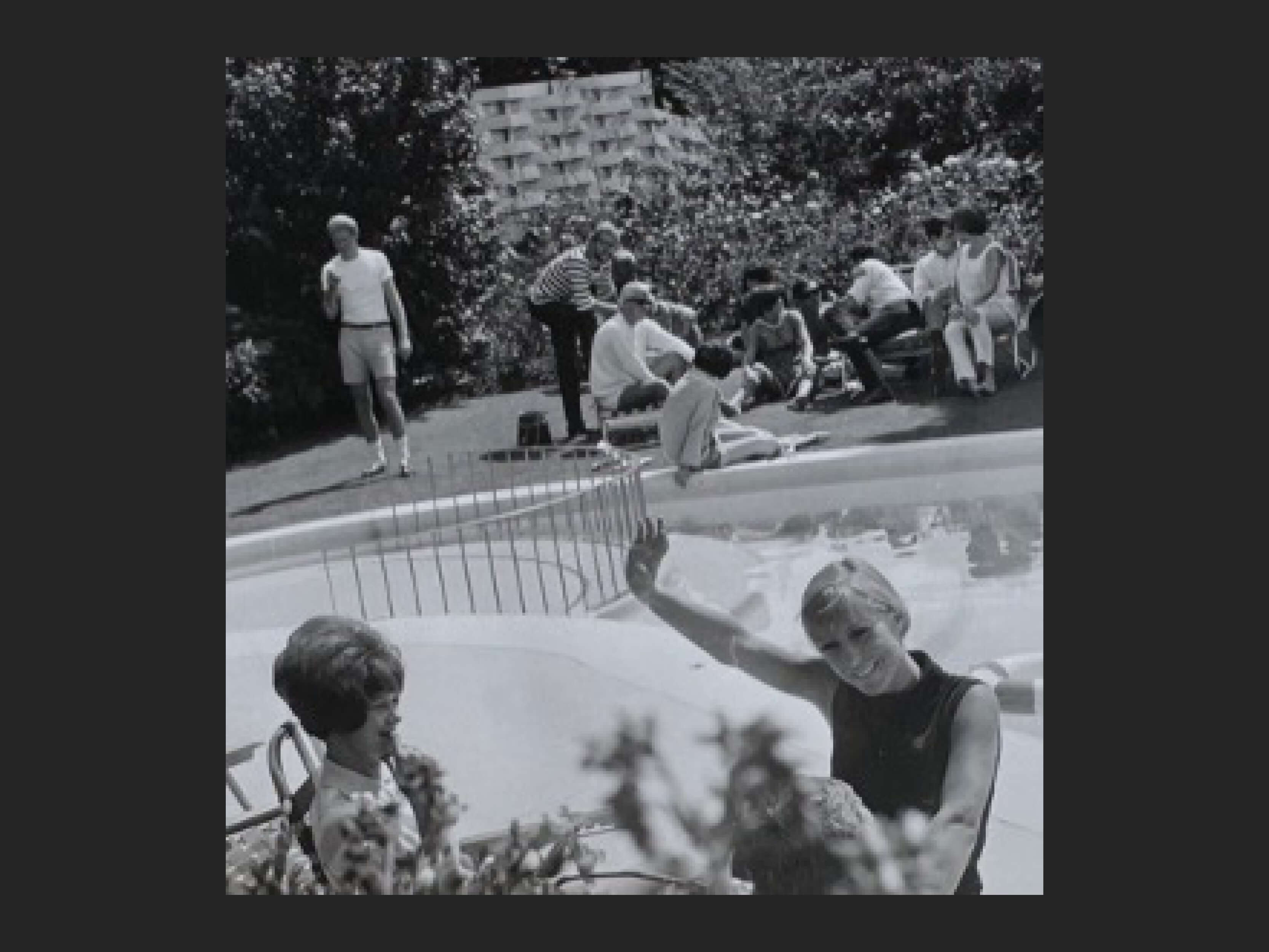
A Swingin’ Safari 1966
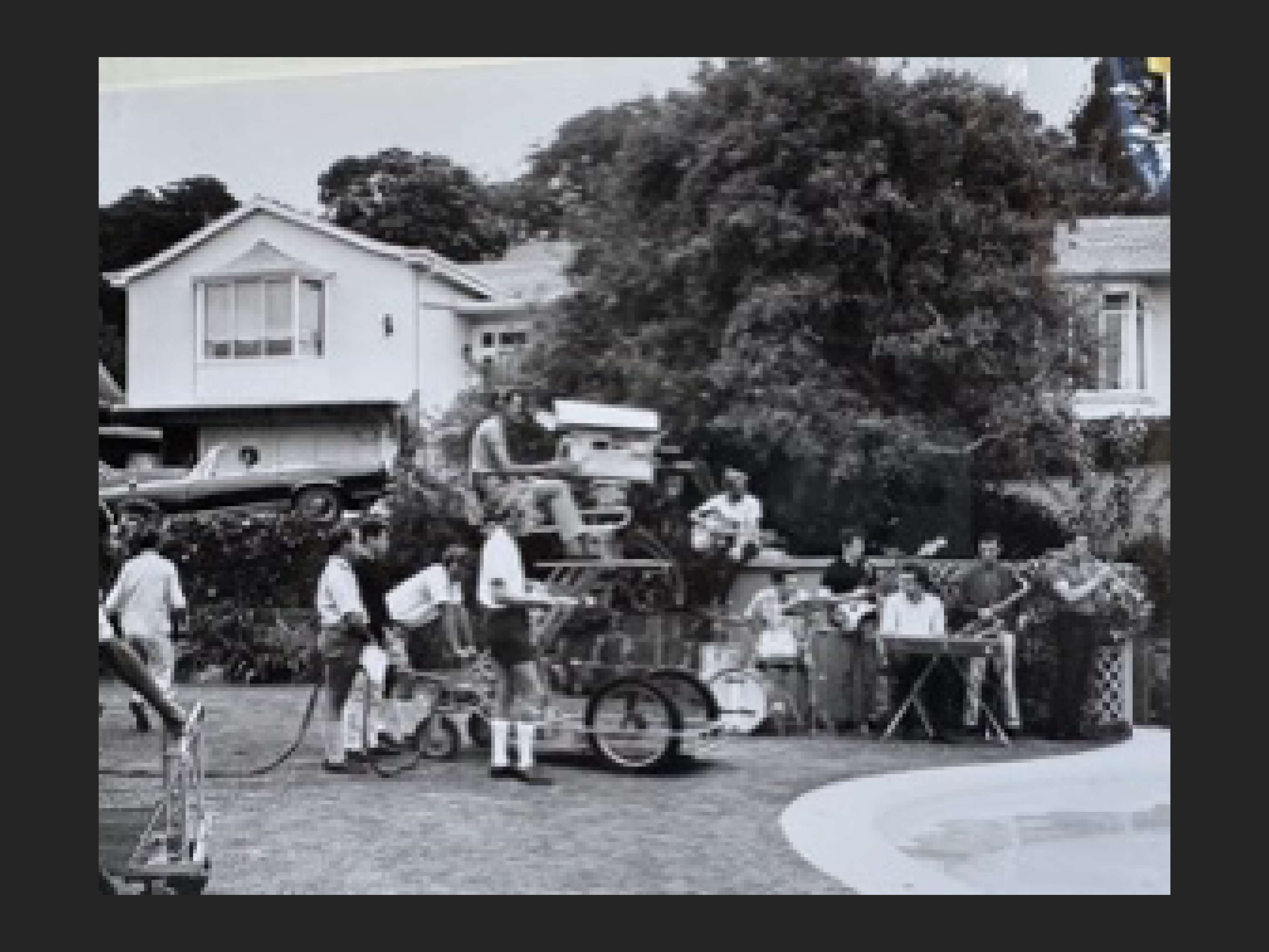
A Swingin’ Safari 1966
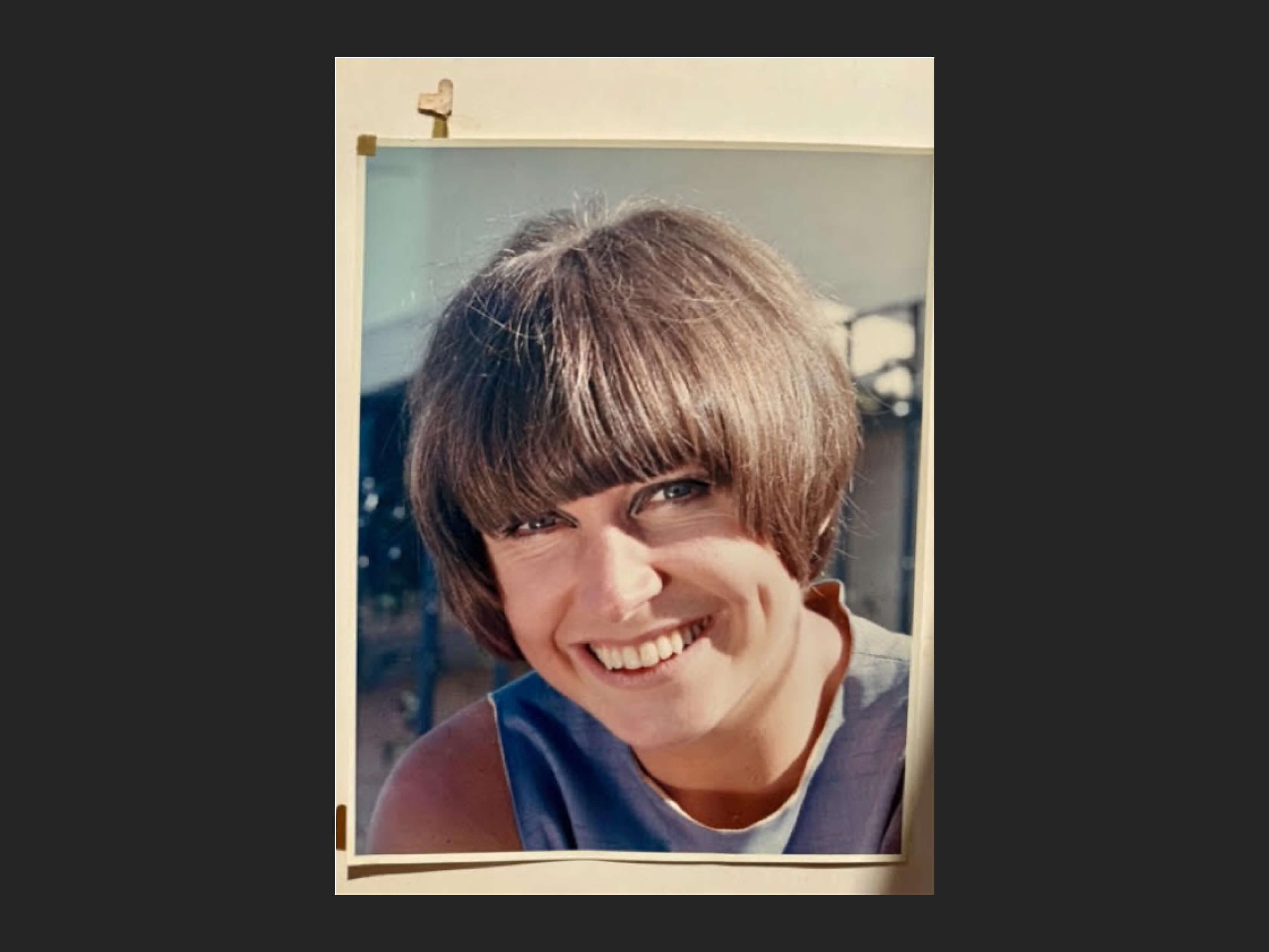
Dinah Lee, a dancer, Thank You album from the Producer
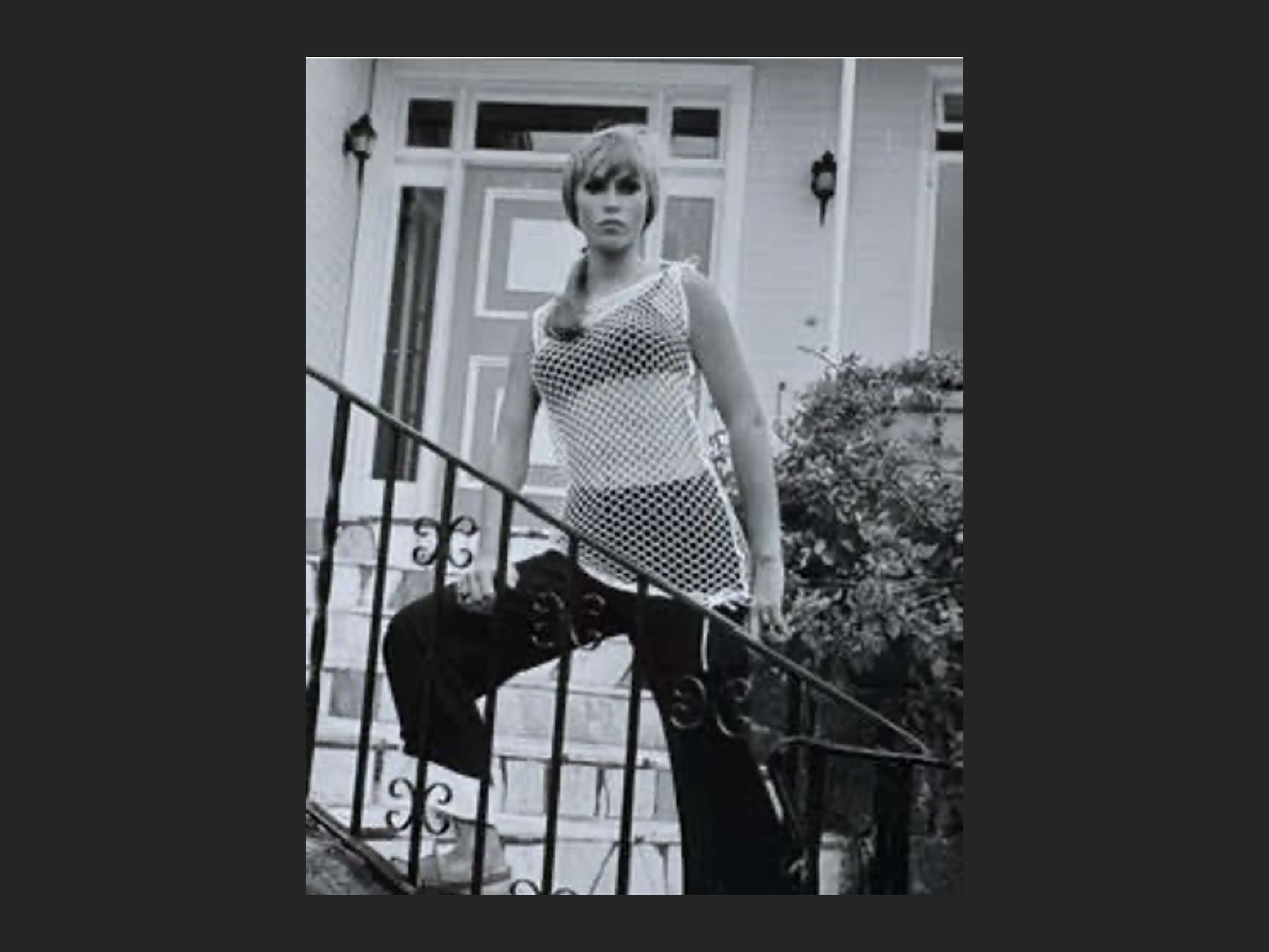
Dinah Lee, a dancer, Thank You album from the Producer
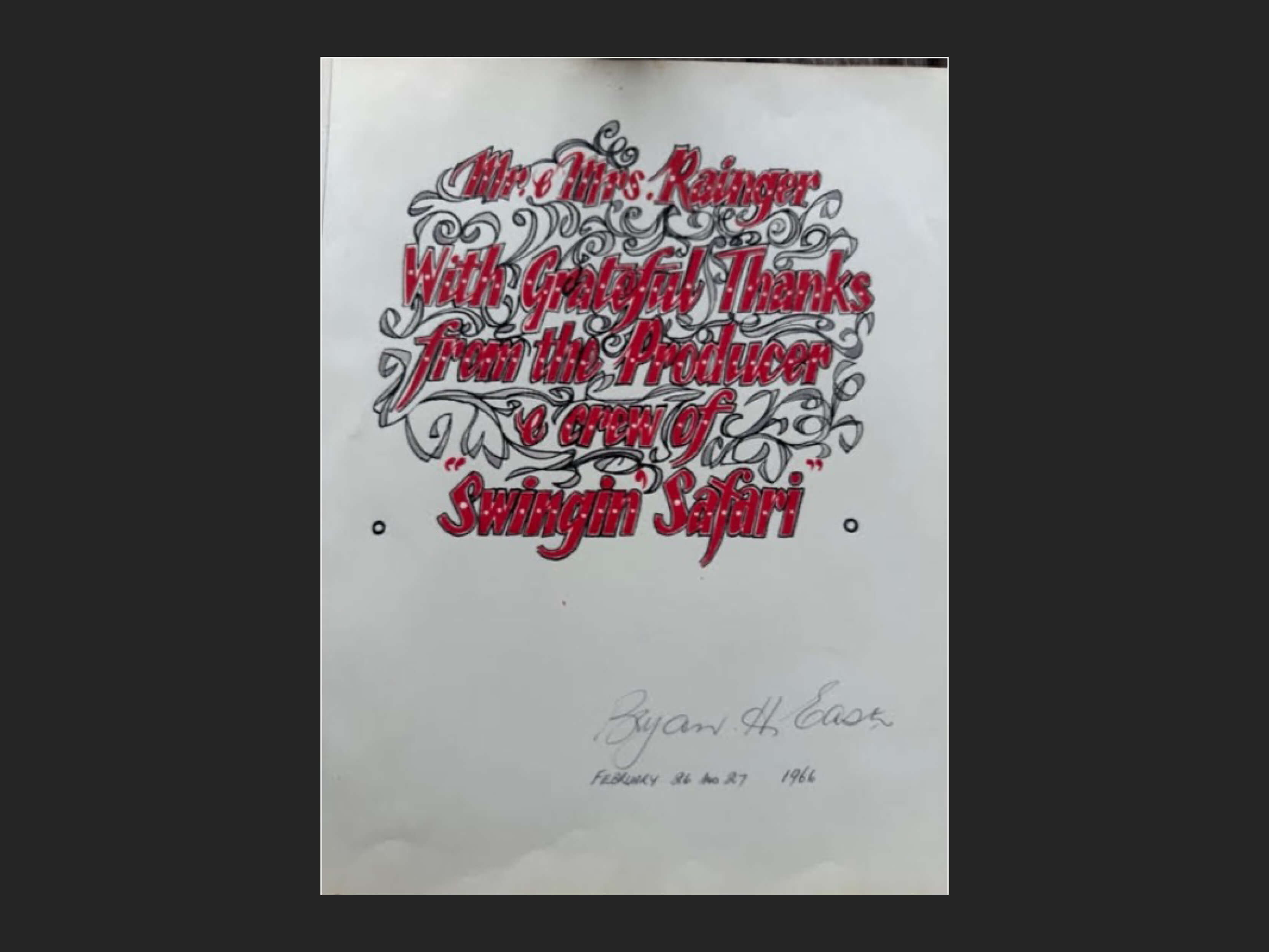
Dinah Lee, a dancer, Thank You album from the Producer
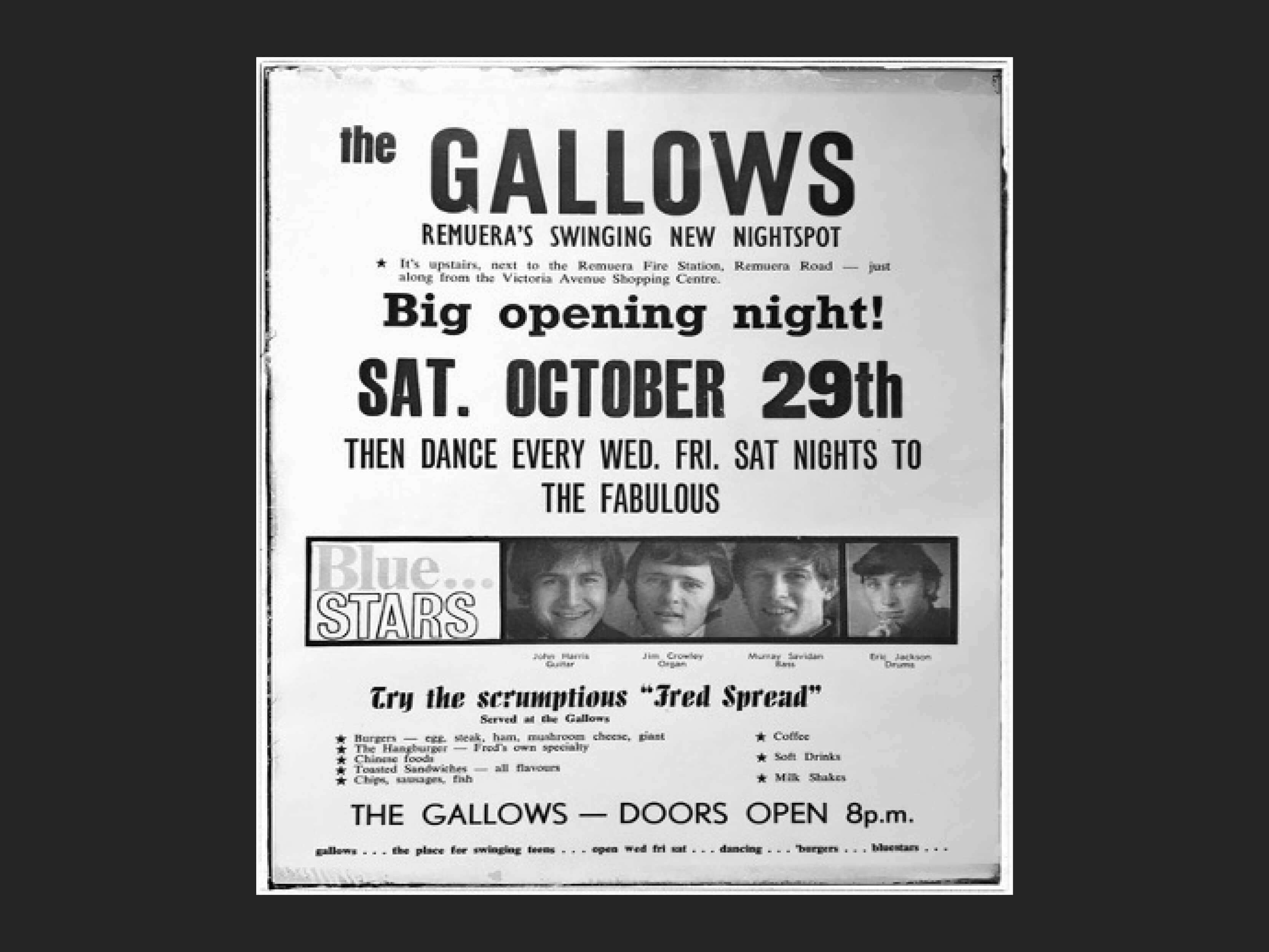
The Gallows 1966-1967

The Gallows 1966-1967
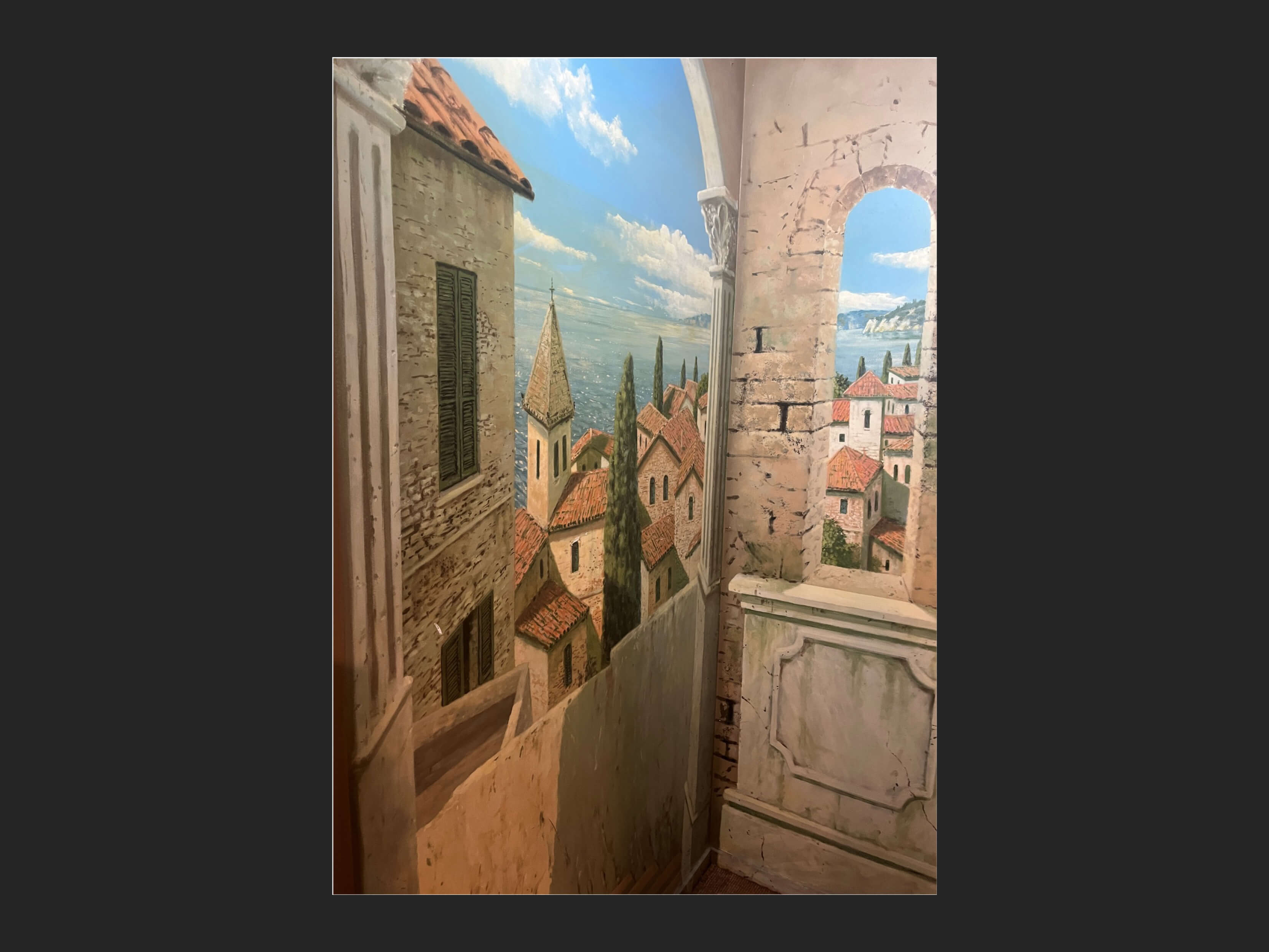
Painted wall images in the stairwell to the restaurant
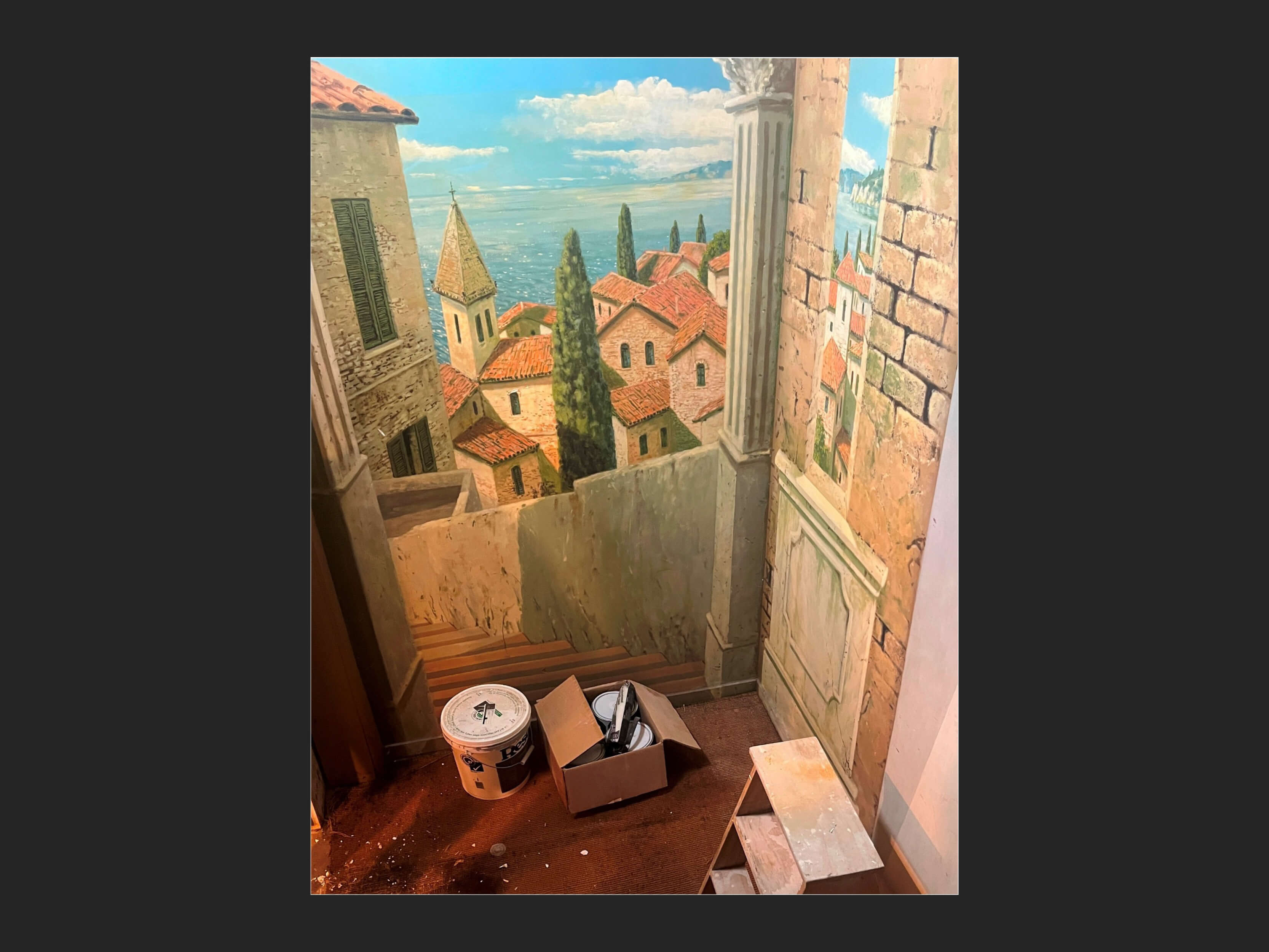
Painted wall images in the stairwell to the restaurant
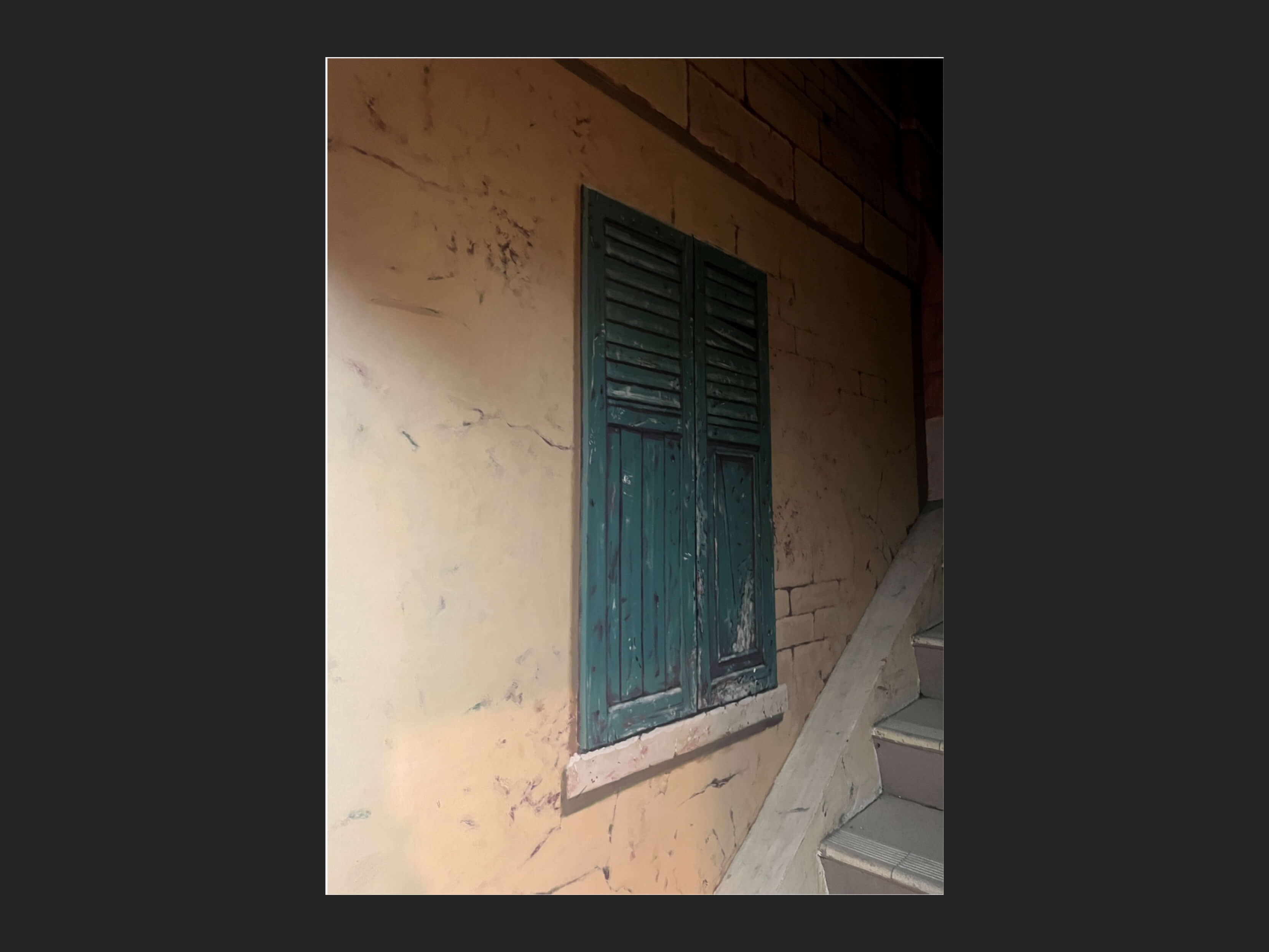
Painted wall images in the stairwell to the restaurant
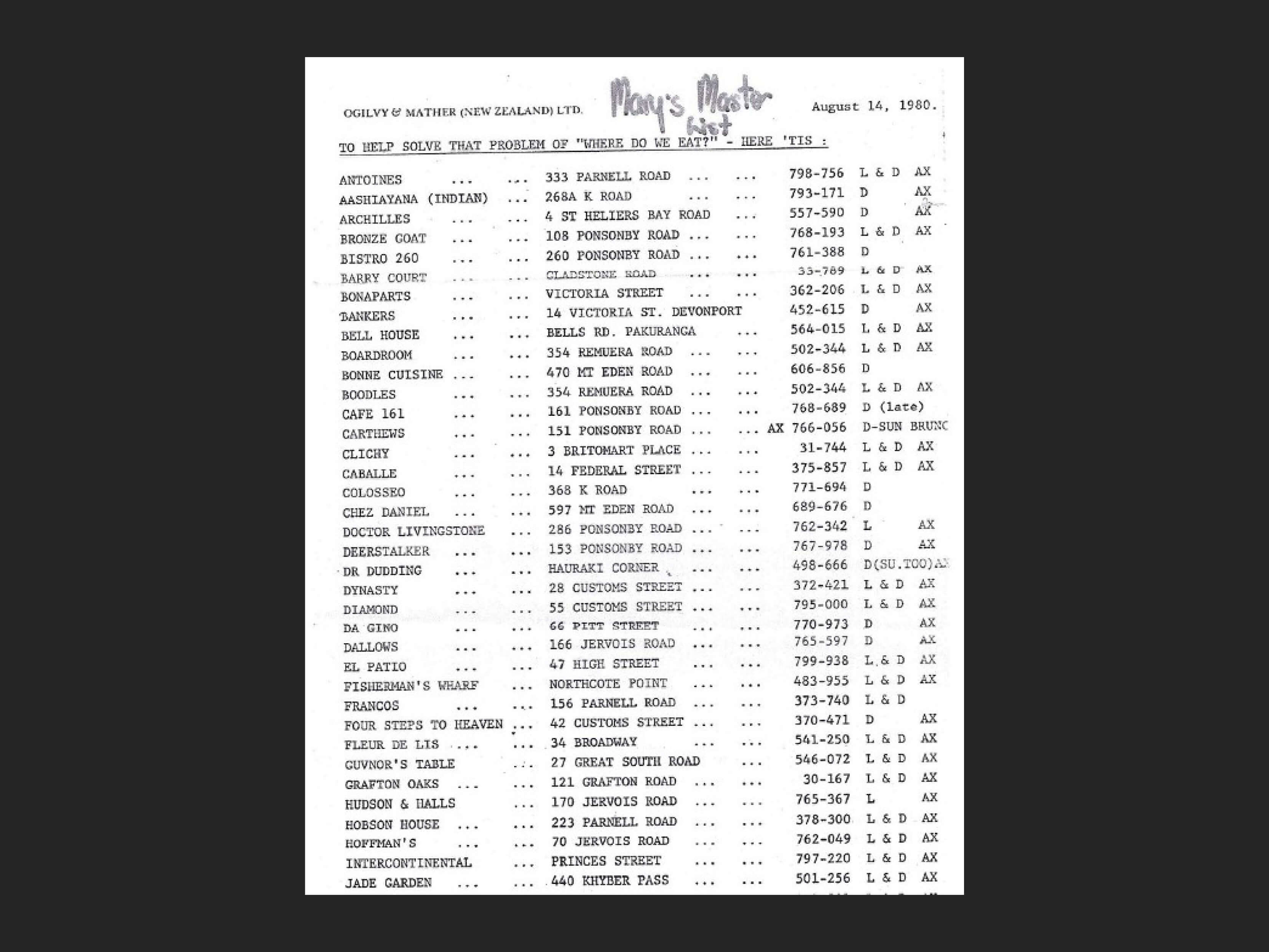
Ogilvy & Mather – List of key restaurants ft. Boardroom Boodles at 354 Remuera Rd
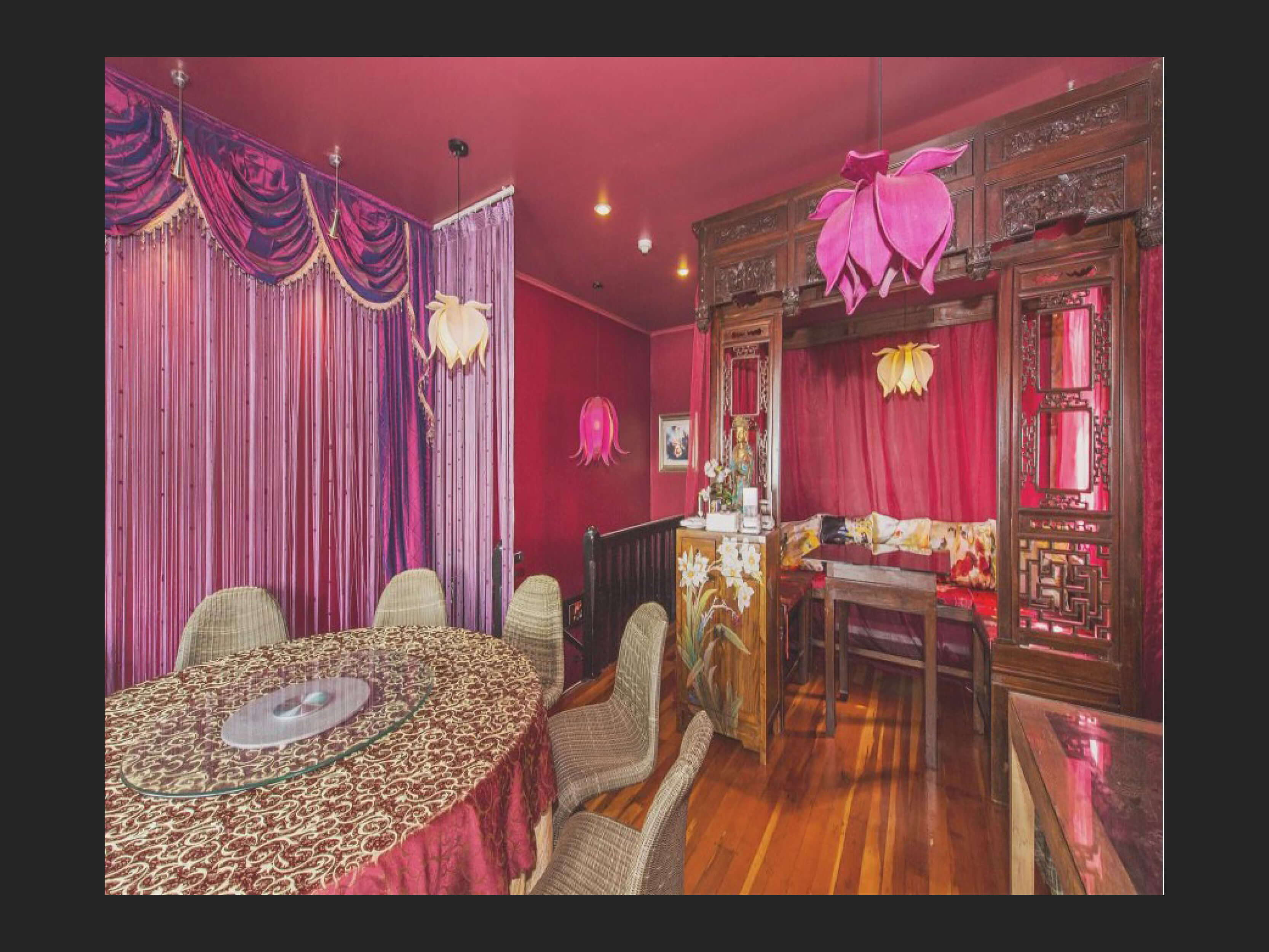
Phoenix Tree Restaurant 354 Remuera Road 1990s-2010s
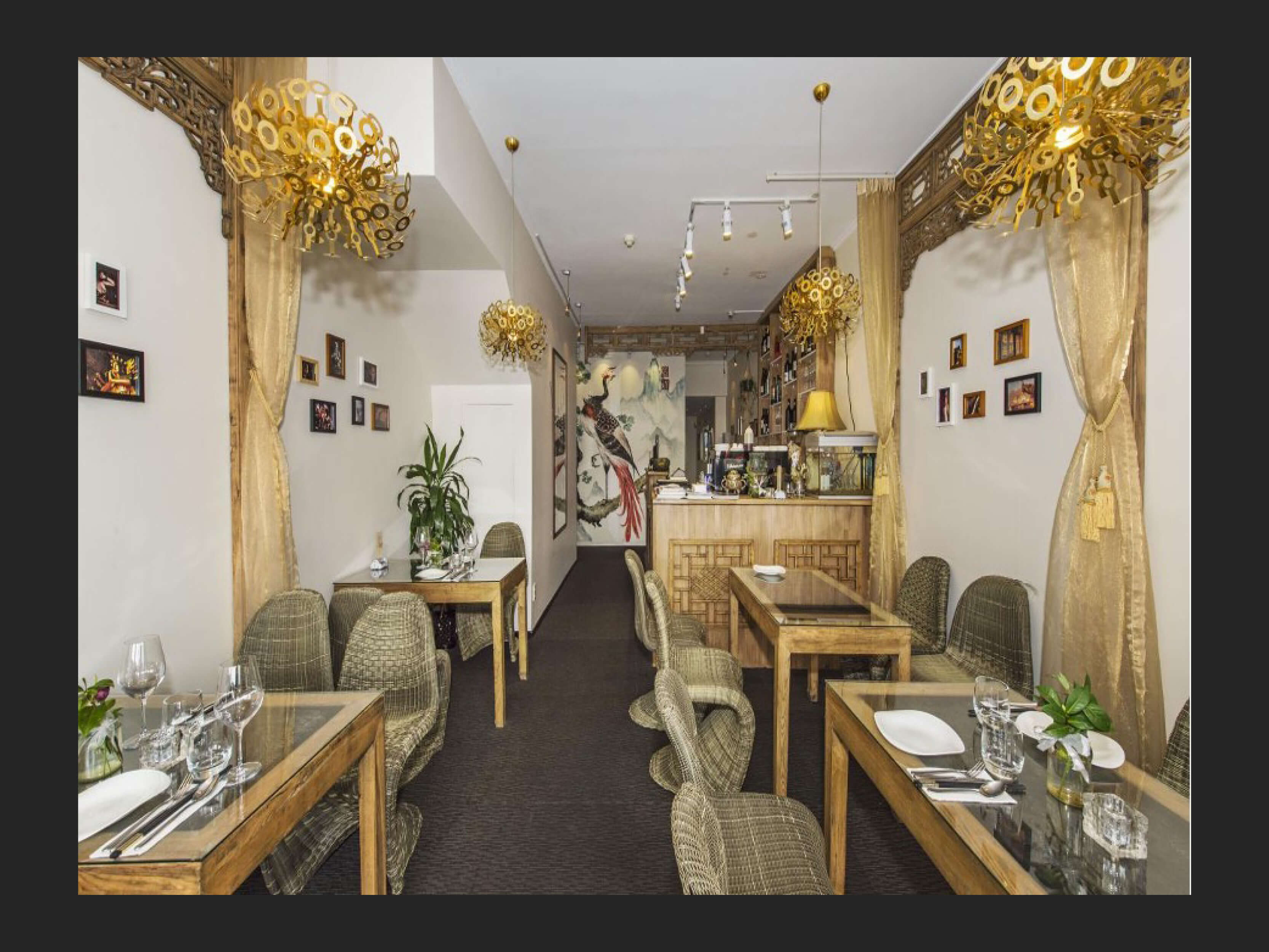
Phoenix Tree Restaurant 354 Remuera Road 1990s-2010s
Exploring Remuera's food history, from Māori market gardens and early vineyards to the bakeries, restaurants and dining establishments that became part of the suburb's social life.
1839–1844 | Māori mara kai gardens in Remuera and Ōrakei
During the 19th century, Māori were the largest market gardeners in Tāmaki Makaurau, supplying essential food to new arrivals and settlers who depended on this produce for survival.
In 1839, Ngāti Whātua established gardens at Ōrākei and Whakatakataka, between Ōkahu Bay and Waitaramoa (Hobson Bay). A papakāinga was located at Rangitoto-iti, while large kūmara storage pits could be found on Ōhinerau (Mt Hobson).
These productive gardens played a vital role in feeding the growing population of Auckland and demonstrate the importance of Māori agriculture in the region’s early history.
1844 | The Great Feast of Remuera
On 11 May 1844, tangata whenua Ngāti Whātua hosted an extraordinary hākari (feast) near Ōhinerau (Mt Hobson) and Te Kōpuke (Mt St John).
Manuhiri (guests) travelled from across Tāmaki Makaurau, Waikato and the Bay of Plenty to attend, alongside the Governor of New Zealand, Robert FitzRoy, and his officials.
Throughout the 19th century, large hākari were important occasions that attracted the attention of colonial observers, commentators and artists. The Remuera feast was captured in a well-known watercolour by artist Joseph Jenner Merrett, who witnessed the event.
The scale of the feast was remarkable. Long racks displayed 9,000 dried dogfish sharks and pigs, while a wall of 11,000 flax baskets contained hundreds of tonnes of potatoes. Each basket was described as approximately seven feet wide and four feet high. There were also large mounds of tea, rice, flour, sugar and tobacco.
However, the hākari was far more than a celebration or entertainment. It was a significant demonstration of the strength and influence of Ngāti Whātua and Waikato Māori, expressing both their political standing and their desire to work with Governor FitzRoy.
1885 | Orchards and gardens on Eastbourne Road
By 1885, orchards and fruit trees were a feature of Eastbourne Road in Remuera.
Historical images show productive gardens alongside a nearby lake and a summer house, offering a glimpse of the area’s cultivated landscape during the late 19th century.
1885 | James Ah Kew’s Chinese gardens
At the corner of Scherff, Portland and Brown Roads (now Wharua Road), James Ah Kew operated a nursery and productive gardens during the late 19th century.
Writing in the Remuera Round during the 1940s, George Cutler recalled how produce from the gardens was hawked around Remuera, Parnell and Auckland. Silk hawkers also travelled through the suburb.
Remuera was also home to ornamental Chinese gardens belonging to the Nathan family of St Anns in Arney Road. These were developed much later, during the Depression, using unemployed workers. The gardens were situated behind the Dunholme Tennis Club, in the gully extending towards Crocus Place.
1904–1906 | Gardenhyrst Vineries, Barry’s Hill
Before becoming the long-time home of the Hellaby family, the property at 519 Remuera Road was home to Gardenhyrst Vineries, situated on Barry’s Hill between Ladies Mile and Starke’s Avenue (now Koraha Street).
The property, which was associated with Church of England land on Remuera’s eastern boundary, covered approximately 16 acres and included 707 vines, orchards and glasshouses.
In 1904, a newly amalgamated wine company purchased the Gardenhyrst property from James Mason. Five acres of grapes were already being grown under glass, with plans to develop an additional open vineyard on the remaining land after reserving the extensive road frontage for future building.
The amalgamation brought together several Auckland wine businesses, including the Vineland Wine Company of Whangārei, Glen Var Winery, Gardenhyrst Vineries and the Zealandia Wine Agency of Fort Street, along with other businesses.
The combined company held substantial stocks of wine and represented several vineyards, giving it access to a greater variety and quantity of wines.
By 1915, the vineries were no longer recorded on the property. Around this time, the house that would later be occupied by the Hellaby family was designed and built.
Further reading: The Hellaby Houses, Remuera Heritage.
1927–Late 1960s | The Puritan Cake Shop
At 363 Remuera Road, now the site of Jems, the Puritan Cake Shop was a familiar part of Remuera’s shopping scene for several decades.
Owned by the Holehouse family, the business had previously operated as Percy Partridge Home Cookery.
A photograph of the bakery offers a wonderful glimpse behind the scenes, showing Percy Partridge standing to the right of the impressive ovens, Walter Holehouse to the left and Jean in the middle.
The photograph was shared by Lisa Hay, whose grandfather was Walter Holehouse.
1931 | Vegetable gardens at Remuera Railway Station
In 1931, large vegetable gardens occupied land alongside Market Road near the Remuera Railway Station.
Historical images also show the surrounding recreational facilities, including a hockey field, tennis courts, a bowling club and croquet lawns.
The gardens provide another reminder of how food production was once woven into Remuera’s residential and recreational landscape.
1947 | The vegetable gardens of the Tudor Theatre site
Before the Tudor Theatre became a landmark in the Remuera shops, the site was used for commercial vegetable growing.
In the 4 September 1947 edition of the Remuera Round, George Cutler recalled that an early settler, John Bull, who later lived on Ōrākei Road, had operated a vegetable garden extending from the future theatre site towards the area where Clonbern Road would eventually be formed.
The article reflected on how land once used to grow vegetables had become a place of entertainment and culture.
The Tudor Theatre was demolished in 1980, and the site later became Tudor Mall in the Remuera shopping centre.
Late 1950s–1963 | The Mandalay Reception Rooms
The Mandalay Reception Rooms, at 320 Remuera Road, was a popular venue for weddings, parties, school balls and special dinners during the late 1950s and early 1960s.
The reception centre was owned by hospitality and entertainment entrepreneur Clive Trillo, who converted a substantial house on the corner of Remuera Road and Garden Road. The house had originally been built in 1908 for city engineer H. Munro-Wilson.
The building was demolished in 1963, making way for a new Milne & Choyce department store. Opened in 1965 at a cost of £250,000, it was the company’s final and largest suburban store.
In 1978, Bruce Everett purchased the Remuera store and, in 1987, restored the name Milnes of Remuera. The premises became Airlie Court in 1999.
1960s | Café de Budapest
One of Remuera’s earliest restaurants was Café de Budapest, located beneath Hutchisons Arcade in the Remuera shopping centre.
The café opened during the 1960s and was run by cousins Bela Demeter and Gabor Csongor, who had settled in New Zealand after leaving eastern Hungary in 1957.
Decorated with Hungarian folk art, wooden platters and beakers, the restaurant brought a distinctive European atmosphere to Remuera.
The menu featured traditional Hungarian favourites, including Székely gulyás (Hungarian goulash), paprika chicken, sauerkraut and palacsinta pancakes.
Gabor had trained as a chef in the Hungarian Air Force for five years, while Bela learned his craft in New Zealand, drawing on the cooking traditions of his grandmother.
In 1967, dinner for two, including a bottle of New Zealand wine, cost between $6 and $7. Wines on offer included Bakano and Cresta D’Ore.
Saturday evenings were particularly lively, with entertainment from the Paul Lestre Group and a gypsy band.
Lestre, whose birth name was Jim Callan, had played in the Royal Philharmonic Orchestra before the war. At one of his early rehearsals, conductor Sir Thomas Beecham asked his name. When Lestre replied, “Paul, sir”, Beecham misheard it as “Ball” and responded, “Very singular.”
Lestre retired from playing Auckland clubs in 1978, but returned a few years later as Stéphane Grappelli-style gypsy jazz enjoyed a revival. He became part of the Hot Club de Ponsonby and performed at numerous Cotton Club concerts.
Another musician associated with the café was pianist Oscar Huijsse Sr, a Dutch émigré who began performing professionally in Auckland just two days after arriving in New Zealand in 1962. He went on to play at many of the city’s leading venues and restaurants and was a member of Lestre’s White Heron combo for almost three years.
Photographs of Café de Budapest show its decorative Hungarian folk art, a wine barrel and painted wall scenes in the stairwell leading to the restaurant. Although Hungary is landlocked, the Danube River flows through Budapest and may have inspired some of these scenes.
It is also possible that the paintings date from the restaurant’s later years, when Café de Budapest was succeeded by Athellos, an Italian restaurant that operated during the 1970s and 1980s.
1960s onwards | Billy Farnell and Remuera’s restaurant music scene
Pianist Billy Farnell was a well-known figure in Auckland’s entertainment scene, remembered for his flamboyant personality and musical performances.
Active from the 1960s, Farnell entertained diners for decades, including at Bistrot restaurant at 305 Remuera Road, beside the Remuera Fire Station, at the site later occupied by Sahana.
He also performed at La Bohème restaurant for 18 years and lived locally in Bell Road, Remuera.
His story offers a glimpse into an era when live music was an important part of the restaurant experience.
1960s | Ray Columbus and the Benson Road Deli
New Zealand entertainer Ray Columbus, best known for his work with Ray Columbus & the Invaders, also had connections to Remuera’s food scene.
During the 1960s, Columbus owned the Benson Road Deli, before going on to establish the Italian restaurant Pasta Blaster in Remuera during the 1980s.
1966 | A Swingin’ Safari filmed in Remuera
In 1966, Remuera provided the backdrop for A Swingin’ Safari, a locally produced musical variety television programme filmed over two consecutive days around the swimming pool of a Remuera mansion.
Broadcast in four parts, the programme featured a line-up of popular entertainers, including Dinah Lee, Tommy Adderley, The Chicks, Nick Villard, The Convairs, Maxine Adams, Gray Bartlett, Herma Keil and the Mike Perjanik Band.
Ray Columbus and Clyde Scott acted as compères.
Although not directly connected to a restaurant, the programme offers a colourful glimpse into the entertainment and social culture of Remuera during the 1960s.
1966–1967 | The Gallows nightclub
Opening in 1966 beside the Remuera Fire Station, The Gallows was a lively nightclub with the Blue Stars as its resident band.
Food was delivered to the club by dumbwaiter from Fred’s Burger Shop on the ground floor.
Known as “Fred’s Spread”, the menu offered a wide range of burgers, including the speciality Hangburger, along with Chinese food, toasted sandwiches, coffee, soft drinks and milkshakes.
Despite numerous attempts, the operators were unable to secure a club liquor licence. The Gallows opened regardless, operating without the required permit.
To minimise noise, the resident band made a point of keeping the windows closed during performances. Other visiting bands were less careful, leading to complaints from neighbouring residents.
The nightclub eventually closed by the end of 1967.
1970s–1980s | Athellos Italian Restaurant
During the 1970s and 1980s, the former Café de Budapest premises beneath Hutchisons Arcade became home to Athellos, an Italian restaurant.
The painted wall scenes in the stairwell, shown in historical photographs, may date from either the Café de Budapest or Athellos era.
1977–1980s | Boodles and the Boardroom
At 354 Remuera Road, Boodles and the Boardroom were among the restaurants listed in a dining guide produced by advertising agency Ogilvy & Mather on 14 August 1980.
Titled To Help You Solve That Problem of Where Do We Eat, the guide listed restaurants offering lunch and dinner, along with whether they accepted American Express.
Food writer Lauraine Jacobs recalled that Boodles was originally owned by a man named Wilf, who would entertain diners by playing his guitar on the stairwell.
The restaurant was later owned by Simon and Victoria Johnson. Among Lauraine Jacobs’ fond memories of Boodles was its outstanding avocado cheesecake dessert.
1980s | Ray Columbus and Pasta Blaster
During the 1980s, New Zealand entertainer Ray Columbus owned Pasta Blaster, an Italian restaurant in Remuera.
The restaurant occupied the premises later known as Thai Village.
Columbus had also owned the Benson Road Deli during the 1960s, giving him a long-standing connection to Remuera’s hospitality scene alongside his successful music career.
1990s–2010s | Phoenix Tree Restaurant
The Phoenix Tree Restaurant, at 354 Remuera Road, was part of the suburb’s dining scene from the 1990s through to the 2010s.
Known for its Asian fusion menu, the restaurant occupied premises that later became the Garden Spot Eatery.

 Share

 Email